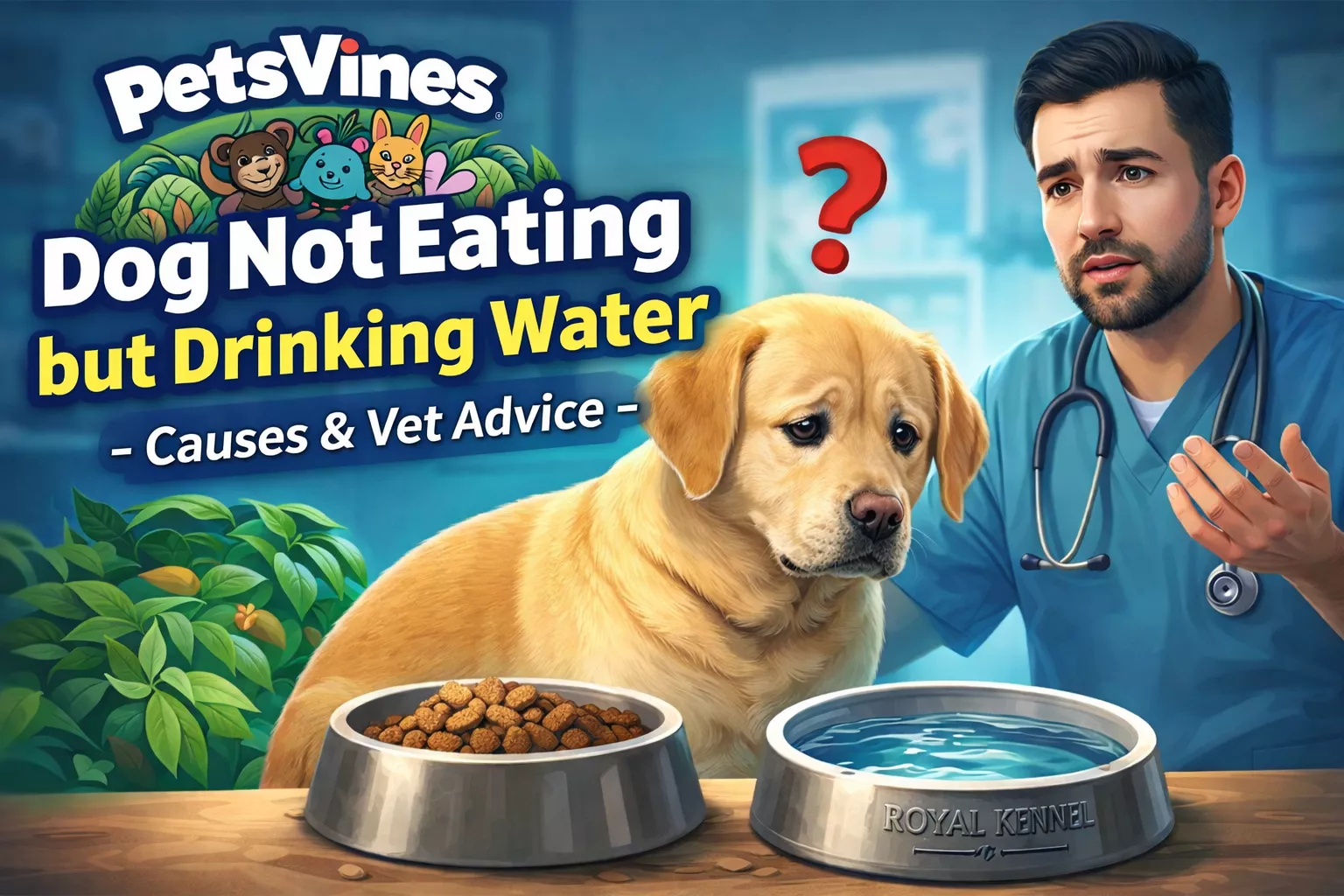
If your dog is not eating but drinking water, it may be due to mild issues like stress, diet changes, or stomach upset. However, it can also signal health problems such as dental pain, infections, digestive disorders, or organ disease. If your dog refuses food for more than 24–48 hours, shows vomiting, lethargy, or weight loss, you should contact a veterinarian immediately. When your dog suddenly stops eating, it can be worrying. Many pet owners notice their dog not eating but drinking water, which raises an important question: Is this normal or a sign of illness?
In many cases, dogs may temporarily lose their appetite due to minor issues such as stress, travel, or a small stomach upset. But sometimes, a loss of appetite—also called anorexia in dogs—can indicate underlying health problems that require veterinary attention.
According to the American Kennel Club, a healthy dog can safely skip a meal occasionally, but a persistent lack of appetite may signal digestive, dental, or systemic disease.
In this guide, you’ll learn:
-
Why your dog is drinking water but refusing food
-
The most common causes of appetite loss
-
Warning signs that require veterinary care
-
Practical steps you can take at home
-
When to contact a veterinarian
If you’re concerned about your pet’s appetite, this expert guide will help you understand what’s happening and what to do next.
Why Is My Dog Not Eating but Drinking Water?
Dogs often skip food while still drinking water due to nausea, stress, dental pain, a recent
vaccination, or digestive upset. In most cases, it resolves within 24 hours. But if it continues longer —
especially with other symptoms — it’s time to see a vet or visit PetsVines.
The fact that your dog is still drinking is actually a reassuring sign. Continued hydration means their body is
still functioning and seeking to maintain balance. But the food refusal tells you something else is off.
Here are the most common reasons your dog won’t eat but is still drinking water:
1. Mild Stomach Upset
Dogs experience nausea just like we do. When a dog’s stomach is unsettled — whether from eating something
they shouldn’t have, motion sickness, or a mild bug — their instinct is to stop eating and wait it out. Drinking
water is often still possible because it doesn’t trigger the same digestive discomfort.
Dogs can experience stomach discomfort after:
-
Eating spoiled food
-
Consuming table scraps
-
Eating something unusual outdoors
-
Sudden diet changes
When the stomach is irritated, dogs may avoid food but still drink water.
Signs of stomach upset
-
Occasional vomiting
-
Loose stool or diarrhea
-
Mild lethargy
-
Lip licking or swallowing
Most mild stomach issues resolve within 24 hours.
2. Stress, Anxiety, or Environmental Change
Dogs are creatures of habit. Even subtle changes — a new baby in the house, a different feeding schedule,
moving to a new home, loud fireworks, or the arrival of another pet — can suppress a dog’s appetite
significantly.
According to the ASPCA, senior dogs are particularly prone to behavioral changes from stress, including
appetite loss. Younger dogs can be affected too, especially those with separation anxiety or noise sensitivities.
3. Dental Pain or Mouth Problems
Dental disease is a major cause of appetite loss in dogs.
According to the American Veterinary Dental Society, over 80% of dogs develop dental disease by age three.
Painful conditions include:
-
Gum disease
-
Broken teeth
-
Mouth infections
-
Oral tumors
-
Stuck food or foreign objects
Dogs with dental pain may want to eat but avoid chewing solid food.
Signs of dental issues
-
Drooling
-
Pawing at the mouth
-
Bad breath
-
Chewing on one side
-
Dropping food
4. Digestive Disorders
Some gastrointestinal conditions reduce appetite.
Examples include:
-
Gastritis
-
Pancreatitis
-
Intestinal parasites
-
Food allergies
-
Inflammatory bowel disease (IBD)
These conditions cause nausea or discomfort, making dogs reluctant to eat.
5. Infection or Illness
A dog refusing food may be fighting an infection.
Possible illnesses include:
-
Viral infections
-
Bacterial infections
-
Tick-borne diseases
-
Fever
Loss of appetite is one of the most common symptoms of illness in dogs.
6. Kidney or Liver Disease
Serious organ problems can affect appetite.
For example:
Kidney disease
Dogs may show:
-
Increased thirst
-
Loss of appetite
-
Weight loss
-
Vomiting
Liver disease
Symptoms include:
-
Loss of appetite
-
Lethargy
-
Yellow gums or eyes (jaundice)
These conditions require immediate veterinary evaluation.
7. Medication Side Effects
Some medications reduce appetite.
Examples include:
-
Antibiotics
-
Pain medications
-
Anti-inflammatory drugs
If your dog recently started medication, appetite loss may be temporary.
Always consult your vet before stopping medication.
When Should You Be Concerned?
If your dog refuses food for more than 24 hours (puppies) or 48 hours (adult dogs), you should contact a veterinarian—especially if other symptoms appear.
Warning signs to watch for
-
Vomiting
-
Diarrhea
-
Lethargy
-
Weight loss
-
Shivering
-
Pain
-
Excessive thirst
-
Blood in stool
Puppies, senior dogs, and dogs with existing health issues should be evaluated sooner.
When “Dog Not Eating” Becomes an Emergency
Call your vet immediately if your dog hasn’t eaten for more than 48 hours, or sooner if you
notice vomiting, diarrhea, extreme lethargy, bloating, pale gums, or difficulty breathing.
Not every skipped meal is an emergency. But certain combinations of symptoms should prompt you to call your
vet without delay. Here’s what to watch for:
Call your vet right away if your dog:
1.Hasn’t eaten for more than 48 hours (or 24 hours for puppies, elderly dogs, or those with existing health
conditions)
2.Is vomiting repeatedly or has persistent diarrhea
3.Appears lethargic, weak, or disoriented
4.Has a visibly bloated or distended abdomen (this can indicate bloat/GDV — a life-threatening
emergency)
5.Has pale, white, or bluish gums
6.Is coughing, wheezing, or breathing abnormally
7.Shows sudden, severe behavioral changes
8.Has lost noticeable weight in a short period
Bloat (Gastric Dilatation-Volvulus or GDV) in particular is a silent killer that can progress within hours. If your
dog’s stomach looks swollen and they’re restless, drooling excessively, and trying unsuccessfully to vomit, treat
this as a veterinary emergency — don’t wait.
Try a Bland Diet
A bland diet is often recommended for dogs with mild stomach upset.
Common options include:
-
Boiled chicken (no seasoning)
-
Plain white rice
-
Boiled potatoes
-
Plain pumpkin
Feed small portions and observe your dog’s reaction.
Warm the Food
Dogs rely heavily on smell.
Warming food slightly can:
-
Increase aroma
-
Improve palatability
-
Encourage eating
Never serve food too hot.
Reduce Treats and Table Scraps
Too many treats can reduce hunger.
Stick to a regular feeding schedule and avoid extra snacks.
Ensure a Calm Feeding Environment
Some dogs refuse food if they feel stressed.
Try:
-
Feeding in a quiet room
-
Removing distractions
-
Maintaining a consistent schedule
How Long Can a Dog Go Without Eating?
Healthy adult dogs can typically go 3–5 days without food, but this is not recommended.
However:
-
Puppies should not go more than 12–24 hours
-
Small breeds may develop low blood sugar
-
Sick dogs require faster intervention
Even if your dog is drinking water, prolonged food refusal can lead to malnutrition and weakness.
Dogs Most at Risk of Appetite Loss
Some dogs are more vulnerable.
These include:
-
Puppies
-
Senior dogs
-
Dogs with chronic illness
-
Dogs recovering from surgery
-
Dogs taking new medication
For these dogs, appetite loss should be taken seriously.
How Vets Diagnose Appetite Loss
Veterinarians may perform several tests.
Common diagnostic tools include:
-
Physical examination
-
Blood tests
-
Urine analysis
-
X-rays
-
Ultrasound
-
Stool tests
These tests help identify underlying conditions affecting appetite.
Tips to Prevent Appetite Problems
While not all cases are preventable, you can reduce risk.
Preventive steps
-
Feed high-quality dog food
-
Maintain a consistent schedule
-
Avoid sudden diet changes
-
Provide regular dental care
-
Keep toxic foods away
-
Schedule routine vet checkups
Regular monitoring helps detect issues early.
FAQ’s
Why is my dog drinking water but not eating?
Dogs may drink water while refusing food due to stress, stomach upset, dental pain, illness, or medication side effects.
Is it normal for a dog to skip meals?
Occasionally, yes. Some dogs skip a meal due to stress or minor stomach issues. However, refusal for more than 48 hours requires veterinary attention.
My dog skipped one meal but seems fine. Should I worry?
Not necessarily. One skipped meal in an otherwise healthy, active dog is usually not alarming. Monitor them
closely, ensure they’re drinking water, and watch for any other symptoms. If they skip the next meal too, it’s
worth investigating further.
Is it bad if my dog only drinks water and won’t eat?
Continued hydration is good news, but food refusal lasting more than 48 hours (or less in vulnerable dogs)
needs veterinary evaluation. Prolonged fasting can cause serious metabolic issues even in otherwise healthy
dogs.
Can stress really stop a dog from eating?
Absolutely. The stress response in dogs — much like in humans — can shut down the appetite. This is
managed by the autonomic nervous system. A stressed dog often needs reassurance, routine, and sometimes
professional behavioral support.
What’s the first thing I should do if my dog won’t eat?
Stay calm, observe for 12–24 hours (less for puppies and seniors), offer bland food, ensure fresh water is
available, and remove stressors. If nothing improves, call your vet.
Should I force-feed my dog if they won’t eat?
No. Force-feeding can cause aspiration (food entering the airway), increase stress, and mask the underlying
problem. Your vet may recommend appetite stimulants or assisted feeding if medically necessary.
Can dehydration occur if my dog refuses food?
Yes. Even if your dog drinks water, illness can still cause electrolyte imbalance and dehydration.
Trust Your Instincts as a Pet Owner
You know your dog better than anyone. If something feels “off” — even if you can’t put your finger on what it
is — trust that instinct. A skipped meal here and there is usually nothing to lose sleep over. But prolonged food
refusal, especially when paired with other behavioral or physical changes, is your dog’s way of asking for help.
The bottom line: keep a close eye, act quickly when warning signs appear, and never hesitate to call your
vet when you’re unsure. Early action can be the difference between a quick recovery and a serious health
crisis. Whether you’re dealing with appetite issues, training challenges, or just want to be the best pet parent possible,
explore our full dog care guide library at PetsVines. And if you found this article helpful, share it with a fellow
dog owner who might need it — because every dog deserves an informed, attentive human.