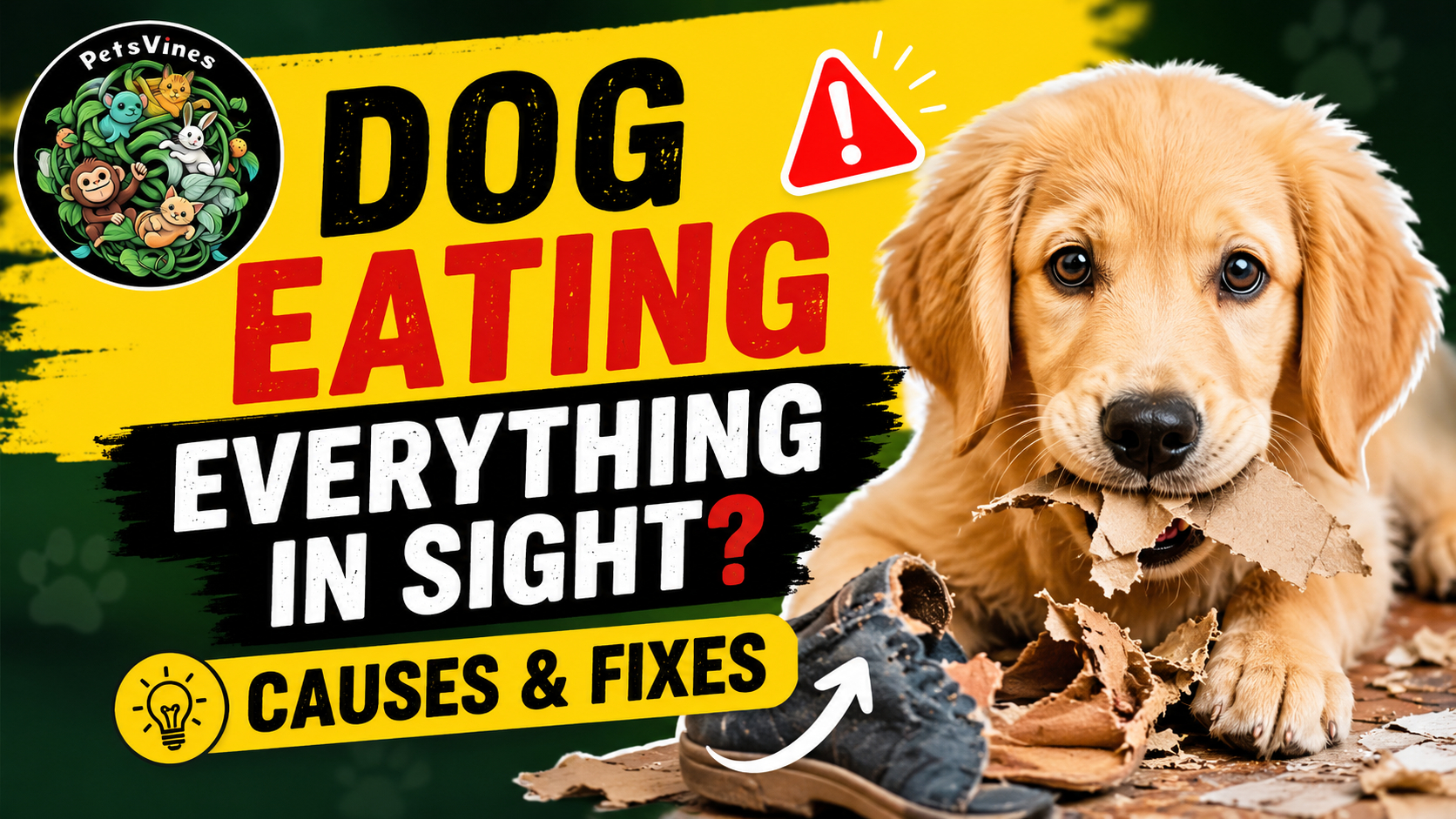
You turn your back for two minutes and your dog has already devoured a sock, a chunk of drywall, and whatever that mystery object was under the couch. Sound familiar?
If you have a dog eating everything in sight, you’re not alone — and you’re definitely not imagining things. This is one of the most common concerns dog owners bring up with vets around the world. But here’s what most people don’t realize: this behavior isn’t just frustrating. In some cases, it’s a serious medical red flag.
A 2024 Rover survey of 1,000 dog parents found that a staggering 73% reported their dog exhibits some form of this eat-everything behavior. That’s a massive number — and it tells us this isn’t a fringe problem. It’s an everyday reality for millions of dog owners.
In this guide, we’re going to break down exactly why your dog does this, when it’s a medical emergency, and — most importantly — what you can do about it starting today.
Why Is My Dog Eating Everything?
Dogs eat everything in sight due to a mix of behavioral, psychological, and medical reasons. Puppies explore with their mouths, while adult dogs may eat non-food items due to boredom, anxiety, nutritional deficiencies, or a condition called pica. If your dog is consistently swallowing non-food items — not just chewing them — it’s time to take action and consult a vet.
What Is Pica in Dogs? (And Is That What Your Dog Has?)
The technical term for a dog that eats non-food items habitually is pica. But before you self-diagnose your pup, it’s worth understanding what pica actually means.
Pica is not the occasional taste of something to test it out — it’s the consistent eating of substances that provide zero nutrition or physical benefit to the dog. We’re talking stones, wood, plastic, or string. The key distinction is swallowing, not just chewing. Most dogs chew inappropriate things; dogs with pica actually ingest them.
Metal, plastic, cloth, garbage, rocks, paper, dirt, and feces are among the most common non-nutritional items dogs with pica consume. And due to a dog’s ability to detect their pet parent’s scent, items like underwear, socks, pantyhose, and towels tend to be particular favorites.
The prevalence of pica in domestic dogs ranges from 8–15% depending on the study, though experts believe these figures likely underestimate the true scope of the problem since many pet owners dismiss occasional incidents as normal puppy behavior.
So your dog eating everything may be normal developmental curiosity — or it may be pica. The difference matters enormously for how you handle it.
Why Is My Dog Eating Everything? The 7 Most Common Reasons
1. Puppyhood and Teething
This is the most common — and most forgivable — reason. Chewing is instinctual for dogs. Canines tend to explore the world with their mouths, making chewing a natural part of their lives. For puppies specifically, teething drives an intense need to chew and mouth everything in reach, and some of it gets swallowed by accident.
If your dog is under 12 months old and eating everything, this is likely developmental behavior. It still needs to be managed — but it usually resolves with age and training.
2. Boredom and Under-Stimulation
A bored dog is a destructive dog. Dogs, especially high-energy breeds like Border Collies, Labradors, and Huskies, need significant mental and physical stimulation every day. When they don’t get it, they find their own entertainment — often through chewing and eating whatever’s available.
According to behavioral research, boredom and inadequate mental stimulation account for roughly 20% of pica cases in dogs. This one is entirely within your control as an owner.
3. Anxiety and Stress
Dogs experiencing anxiety — whether from separation, loud noises, new environments, or changes in routine — often resort to compulsive behaviors as a coping mechanism. Eating non-food items can become a self-soothing ritual for anxious dogs, similar to how humans might bite their nails.
Anxiety and compulsive disorders are thought to drive around 35% of pica cases, making it one of the leading psychological triggers. If your dog only eats non-food items when left alone or during stressful events, anxiety is likely the culprit.
4. Nutritional Deficiencies
Sometimes a dog eating everything in sight is the body’s way of saying something is missing. Dogs deficient in key nutrients — particularly iron, zinc, or calcium — may instinctively seek those minerals in soil, rocks, or other materials.
Iron or zinc deficiency is implicated in approximately 40% of pica cases, making it the most commonly identified medical trigger. If your dog is on a low-quality or improperly balanced diet, this is worth investigating with a vet.
5. Medical Conditions
Several underlying health conditions can trigger or worsen a dog’s compulsion to eat non-food items. Pica can occur alongside conditions including anemia, inflammatory bowel disease, diabetes, and thyroid disorders — all of which can affect a dog’s nutrient absorption and drive unusual appetite.
Dogs on steroid medications like prednisone or anti-seizure medications like phenobarbital often develop an insatiable appetite, which can also lead to pica-like behavior. If your dog recently started a new medication and suddenly began eating everything, flag this with your veterinarian.
6. Attention-Seeking Behavior
Here’s a counterintuitive one: some dogs eat forbidden objects specifically because they get a reaction from you. If your dog grabs a sock, you chase them around the house — and from the dog’s perspective, that’s thrilling engagement. Even negative attention can reinforce the behavior.
Pica is also considered an attention-seeking behavior and can result from a lack of socialization with humans or other dogs.
7. Breed Predisposition
Some breeds are simply more orally fixated than others. Labradors are notoriously famous for eating everything — it’s practically a breed trait. Certain breeds like Labradors are naturally more prone to pica, particularly when they are high-energy but don’t receive enough exercise or mental stimulation.
Other breeds with a higher tendency include Golden Retrievers, Beagles, and Pit Bull types. Knowing your breed’s tendencies can help you anticipate and prevent problems before they become habits.
The Danger Zone: When Your Dog Eating Everything Becomes an Emergency
Here’s the part every dog owner needs to read carefully.
Most of the time, a dog eating non-food items is a behavioral issue. But sometimes, it becomes a medical emergency — fast.
The biggest risks are:
- Intestinal obstruction: This is life-threatening. If a swallowed object becomes lodged in the stomach or intestines, surgery may be required. Signs include vomiting, inability to defecate, bloating, and lethargy.
- Toxicity: Some materials — certain plants, treated wood, dyed fabrics — can be toxic when ingested.
- Choking: Small, hard objects can lodge in the throat.
- Dental damage: Hard objects like rocks and metal can fracture teeth.
Go to a vet immediately if your dog has swallowed something and shows any of these signs:
- Repeated vomiting
- Distended or painful abdomen
- Inability to pass stool
- Extreme lethargy or weakness
- Loss of appetite for more than 24 hours
- Drooling excessively or pawing at the mouth
Don’t wait and see. Intestinal blockages can become fatal within 24–48 hours if left untreated.
How to Stop Your Dog From Eating Everything: 8 Vet-Backed Strategies
1. Get a Veterinary Exam First
Before anything else — if your adult dog has suddenly started eating non-food items, schedule a vet visit. According to the ASPCA, compulsive behavior will not just go away on its own. A vet can run bloodwork to rule out anemia, nutritional deficiencies, and underlying medical conditions that may be driving the behavior.
2. Dog-Proof Your Environment
Management is your first line of defense. Until you’ve identified and addressed the root cause, remove access to tempting items:
- Use baby gates to block certain rooms
- Keep laundry in closed hampers
- Pick up small items from floors
- Supervise your dog outdoors at all times
- Use a basket muzzle for dogs with dangerous pica (rocks, metal) during walks
3. Increase Physical Exercise
A tired dog is a well-behaved dog. If boredom is driving your dog’s eat-everything habit, the solution is simple (though not always easy): more exercise. Aim for at least 45–60 minutes of vigorous activity per day for medium and large breeds. High-energy breeds may need significantly more.
4. Add Mental Stimulation
Physical exercise alone often isn’t enough for intelligent, working breeds. Incorporate:
- Puzzle feeders and slow feeder bowls
- Sniff walks (let your dog sniff freely rather than walking at pace)
- Training sessions (even 10 minutes of “sit, stay, leave it” burns mental energy)
- Kong toys stuffed with dog-safe foods like peanut butter or frozen banana
5. Teach a Rock-Solid “Leave It” Command
This is non-negotiable if you have a dog that eats everything on walks. The “leave it” command, practiced consistently with positive reinforcement, can become a genuinely life-saving skill. Start with low-value items in a controlled environment, then gradually practice with higher-value temptations.
6. Address Anxiety
If anxiety is the trigger, the solution requires a two-pronged approach: behavioral modification and possibly veterinary support.
- Try desensitization training for known triggers (like departure cues)
- Consider calming aids like anxiety wraps, pheromone diffusers, or vet-recommended supplements
- In moderate to severe cases, your vet may recommend anti-anxiety medication
- Work with a certified veterinary behaviorist if the behavior is severe
7. Review Your Dog’s Diet
Ensure your dog is eating a complete, balanced diet appropriate for their age, size, and activity level. If you’re feeding a generic or low-cost food, speak with your vet about whether a nutritional upgrade or supplementation might help. Never add supplements without professional guidance — some can cause imbalances of their own.
8. Avoid Punishing the Behavior
Chasing your dog to retrieve a swallowed sock, yelling, or punishing after the fact doesn’t work — and can make things worse. Dogs don’t connect after-the-fact punishment with the behavior. Instead, redirect calmly, use the “leave it” command, and reward appropriate chewing on dog-safe toys.
The Best Chew Toys and Tools to Redirect the Behavior
If your dog needs to chew (and most do), give them appropriate outlets:
- Bully sticks and natural chews — great for heavy chewers
- Rubber Kongs — can be stuffed and frozen for hours of engagement
- Nylon chew toys — durable for aggressive chewers
- Antlers and raw bones — under supervision for power chewers (consult your vet first)
Rotate toys regularly to prevent boredom. A toy your dog hasn’t seen in two weeks feels brand new.
For more expert-backed advice on keeping your dog happy, healthy, and out of trouble, explore our complete dog care resource hub at PetsVines. From nutrition guides to behavior tips, we cover everything modern dog owners need.
When to See a Specialist
If you’ve tried the above strategies for several weeks with little improvement, it’s time to escalate:
- Veterinary behaviorist (Dip ACVB): A board-certified expert in animal behavior who can create a behavior modification plan
- Certified Applied Animal Behaviorist (CAAB): A non-vet specialist in behavioral science
- Your regular vet for medication review: Anti-anxiety medications like fluoxetine have been shown to help dogs with compulsive disorders
Don’t feel like you’ve failed if you need professional help — pica and compulsive eating behaviors are complex, and they genuinely respond better to professional intervention than DIY approaches alone.
Summary: Key Takeaways
- A dog eating everything in sight is usually caused by teething, boredom, anxiety, nutritional gaps, or a medical condition
- True pica means swallowing non-food items consistently — it’s different from normal chewing
- Intestinal obstruction is a life-threatening risk that requires emergency vet care
- Management (removing access), training (“leave it”), exercise, and diet review are your first steps
- Always rule out medical causes with a vet before assuming it’s behavioral
FAQ’s
Q1: Why is my dog suddenly eating everything in sight?
A sudden change in eating behavior — especially in an adult dog that wasn’t doing this before — is worth taking seriously. The most common triggers include a new stressor in the home (new baby, move, schedule change), an underlying medical condition like anemia or thyroid dysfunction, a nutritional deficiency, or a side effect of a new medication. If your dog has suddenly started eating non-food items with no obvious trigger, a veterinary visit is the right first step. Don’t chalk it up to “just being a dog” if it’s a new behavior.
Q2: Is it normal for puppies to eat everything?
Yes — up to a point. Puppies explore the world primarily through their mouths, and swallowing things accidentally during teething is extremely common between 3 and 6 months of age. This typically tapers off by 12–18 months as the dog matures and teething ends. However, “normal” doesn’t mean “safe.” Puppies can still choke or develop intestinal blockages. Puppy-proof your home, supervise closely outdoors, and redirect to appropriate chew toys. If the behavior continues well past 18 months, treat it as a behavioral issue rather than a developmental one.
Q3: What household items are most dangerous for dogs to swallow?
Some items are far more dangerous than others. The highest-risk items include:
- Corn cobs — do not digest and cause severe blockages
- Bones (cooked) — splinter and can perforate intestines
- String, yarn, or fabric — can cause a linear foreign body obstruction, one of the most dangerous GI emergencies
- Batteries — cause chemical burns internally
- Coins — zinc toxicity from pennies is a real risk
- Socks and underwear — common obstruction culprits
- Xylitol-containing products — toxic to dogs even in small amounts
- Sharp objects (needles, staples, broken toys) — risk internal lacerations
If you suspect your dog has swallowed any of these, contact your vet or the ASPCA Animal Poison Control Center (+1-888-426-4435) immediately.
Q4: What is the difference between chewing and pica in dogs?
Chewing is normal canine behavior — dogs chew to relieve boredom, clean their teeth, and manage stress. Pica is specifically the consumption (swallowing) of non-food items that provide no nutritional benefit. The key distinction: a dog chewing on a shoe but spitting it out is normal (if annoying). A dog that regularly swallows rocks, fabric, dirt, or plastic has pica. Pica is considered a compulsive disorder and requires behavioral or medical intervention — it won’t resolve on its own.
Q5: Can anxiety cause my dog to eat non-food items?
Absolutely, and this is more common than most owners realize. Dogs with separation anxiety, generalized anxiety, or noise phobias often develop compulsive behaviors as a coping mechanism — and eating non-food items is one of them. You may notice your dog eats objects specifically when left alone, during thunderstorms, or after a stressful event. If anxiety is the root cause, addressing the anxiety itself (through behavior modification, calming tools, or vet-prescribed medication) is more effective than simply trying to stop the eating behavior directly.
Q6: How do I train my dog to stop eating things on walks?
The “leave it” command is your most powerful tool. Here’s a quick training outline:
- Hold a low-value treat in your closed fist
- When your dog sniffs and backs away, say “leave it” and reward with a different, higher-value treat from your other hand
- Practice daily, gradually introducing higher-value items on the ground
- On walks, practice “leave it” the moment your dog notices something on the ground — before they lunge for it
- Use a shorter leash in high-temptation areas and scan the path ahead
Consistency is everything. This command can take weeks to become reliable, but it is genuinely life-saving for dogs with strong foraging tendencies.
Q7: Should I be worried if my dog eats grass?
Grass eating is one of the most debated dog behaviors — and the verdict is: usually not a serious concern. Many dogs eat grass occasionally with no ill effects. Some theories suggest they do it to induce vomiting when they feel unwell, while others suggest it’s simply a texture preference or mild boredom. However, you should be concerned if your dog is eating grass obsessively, vomiting frequently after doing so, or eating grass treated with pesticides or herbicides. If the grass-eating is compulsive and daily, mention it to your vet — in some cases it signals gastrointestinal discomfort.
Q8: When is eating non-food items a veterinary emergency?
Treat it as an emergency and go to a vet immediately if your dog:
- Is vomiting repeatedly after swallowing something
- Has a bloated, hard, or painful abdomen
- Cannot pass stool or is straining without result
- Is unusually lethargic or unresponsive
- Shows signs of internal pain (whimpering, hunching, reluctance to move)
- Has swallowed something sharp, toxic, or battery-containing
- Is drooling excessively or gagging without producing anything
Intestinal obstructions can become fatal within 24–72 hours without treatment. When in doubt, don’t wait — call your vet or an emergency animal hospital right away.
Also Visit: My Dog Eating Dirt: Causes, Risks & How to Stop It