
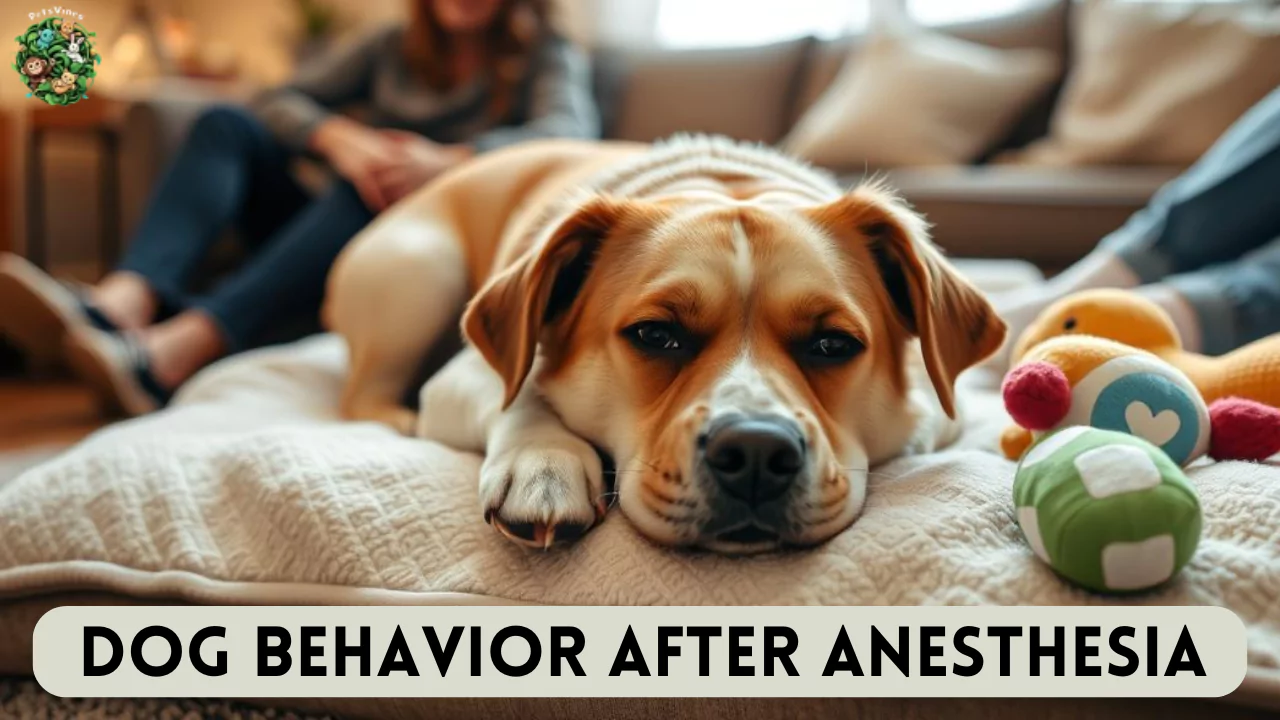
Did you know that over 70% of dogs change their behavior after anesthesia? It’s important for pet owners to know how anesthesia affects dogs. This knowledge helps support them during recovery. This article will guide you through the post-anesthesia journey with your dog. We’ll cover typical behaviors, side effects, and signs of concern. We’ll also share practical tips for a smooth recovery. Understanding anesthesia’s effects on dogs prepares you for their unique challenges, ensuring a safe recovery.
Key Takeaways
- Over 70% of dogs exhibit behavioral changes after anesthesia, underscoring the need for pet owners to be prepared.
- Common post-anesthesia behaviors in dogs include grogginess, disorientation, increased sleep, and lethargy.
- Potential side effects of anesthesia in dogs can include nausea, vomiting, restlessness, and agitation.
- Monitoring your dog’s behavior and symptoms, and providing a calm environment, are crucial for a smooth recovery.
- Patience and positive reinforcement are key in managing any behavioral changes or disorientation your dog may experience.
Introduction: Navigating the Post-Anesthesia Journey
When your dog has surgery that needs anesthesia, you might feel both relieved and worried. Seeing your dog wake up can be both thrilling and scary. Knowing about dog recovery after anesthesia and post-surgery dog care tips is key for a smooth return to normal life.
This part will look at what your dog might do and feel after anesthesia. Knowing what to expect helps you and your dog get through the recovery better.
“The most important thing is to be patient and understanding during your dog’s recovery. Their behavior may be a bit different, but with time and care, they’ll be back to their usual self.”
After anesthesia, your dog might feel confused, sleepy, and tired. Knowing the common signs helps you care for them properly during this time.

As you go through this journey with your dog, take it slow. With patience, understanding, and the right post-surgery dog care tips, you can help your pet recover well.
Dog Recovery After Anesthesia: Typical Behaviors
When your dog has anesthesia, you might see different behaviors at first. Knowing these common signs helps you care for your pet better.
Grogginess and Disorientation
Your dog might seem disoriented or groggy after anesthesia. The anesthetic’s effects can make them feel confused and unsteady. This is normal as they get back to normal.
Increased Sleep and Lethargy
After anesthesia, dogs often sleep more and feel very tired. The anesthetic and the surgery stress them out. They might nap a lot as they recover and get their energy back.
Knowing these behaviors helps you support your dog’s recovery. With care and patience, they’ll soon be back to their usual self.

Effects of Anesthesia on Dogs: Potential Side Effects
Anesthesia is often needed for vet procedures but can affect a dog’s recovery. Common issues include nausea and vomiting, and restlessness. These can be tough for pet owners to handle.
Nausea and Vomiting
Nausea and vomiting are big concerns after anesthesia. Dogs may feel sick and disoriented, leading to vomiting. This can upset both the dog and the owner, making it hard for the dog to rest and recover.
Restlessness and Agitation
Restlessness and agitation are also common. Dogs may pace, whine, or try to get out after waking up. This can be hard for owners to manage, as they try to keep their dog calm and comfortable.
Knowing about these side effects helps owners prepare and care for their dogs after anesthesia. With patience and attention, owners can help their dogs through this tough time and ensure a smooth recovery.

“Dealing with a dog’s nausea or restlessness after anesthesia can be trying, but with the right approach, pet owners can help their companions through this challenging time.”
Dog Behavior After Anesthesia: Signs of Concern
After anesthesia, dogs may show different behaviors as they get better. Some behaviors are normal, but others might be serious. It’s key for pet owners to know these signs and when to call the vet.
If your dog seems strange or different after anesthesia, watch them closely. This could mean they’re restless, agitated, or even aggressive. Seeing these signs of anesthesia side effects in dogs means you should keep an eye on them and get vet help if needed.
Also, if your dog seems lost or confused, it’s a worry. They might stumble, have trouble standing, or seem uncomfortable. These dog acting strange after anesthesia signs could mean they have neurological problems or issues from the anesthesia.
- Excessive vocalization, such as whining or crying, can also be a concerning behavior that warrants a closer look.
- Additionally, if your dog appears to be experiencing nausea or vomiting, or is refusing to eat or drink, these could be signs of a more serious problem that requires veterinary intervention.
Remember, every dog recovers differently. But by watching for unusual behaviors, you can help your dog recover safely and smoothly from anesthesia.
If you’re unsure or worried about your dog’s behavior after anesthesia, call your vet. They can offer advice and support to help you through this time. This ensures your dog’s health and happiness.
Post-Anesthesia Care: Helping Your Dog Recover
It’s very important to take good care of your dog after anesthesia. You need to be kind and watchful to help them get better. This way, your dog can feel strong and happy again.
Providing a Calm Environment
Make sure your dog’s place is calm and quiet. Turn down the noise and dim the lights. Give them a cozy spot to sleep and keep them away from too much activity.
Monitoring Behavior and Symptoms
Keep an eye on how your dog feels and acts. They might sleep a lot, feel tired, or get sick to their stomach. Watch for changes in eating, going to the bathroom, or any other signs they need a vet.
Being gentle and patient is key to helping your dog recover. Knowing what to expect and how to help can make a big difference. This way, your dog can get back to being their happy self.
Dog Acting Strange After Anesthesia: Managing Behavioral Changes
Most dogs bounce back from anesthesia without trouble. But, some may act strangely or worryingly. These behavioral changes in dogs after anesthesia can worry owners. Knowing why and how to help can ease your pet’s return to normal.
Dog whining after anesthesia is a common sign. It might mean your dog is uncomfortable, anxious, or confused. Keeping things calm and reassuring can help soothe them.
Some dogs might get aggressive or defensive after anesthesia. This could be because of lingering effects or feeling vulnerable. Move slowly and avoid loud noises to keep your dog calm.
| Behavioral Change | Potential Cause | Recommended Actions |
|---|---|---|
| Increased vocalization (whining, barking) | Discomfort, anxiety, confusion | Provide a calm environment, offer gentle reassurance |
| Aggression or defensiveness | Lingering side effects, feeling of vulnerability | Approach slowly, avoid sudden movements or loud noises |
| Disorientation or confusion | Residual effects of anesthesia | Allow time for recovery, provide familiar surroundings |
If your dog seems lost or confused, give them time. Familiar places and a trusted caregiver can help.
Every dog recovers differently. Watch your pet closely and talk to your vet if you’re worried. With patience and support, your dog will be happy and healthy again.
Dog Disoriented After Surgery: Coping Strategies
Seeing your dog disoriented after surgery or groggy after surgery is common. It’s key to know how to help them during this tough time. By being patient and using positive reinforcement, you can help your dog feel better and return to normal.
Patience and Positive Reinforcement
After anesthesia, your dog might seem confused and sleepy. Remember, this is just a temporary phase. As they get better, their behavior will go back to normal. During this time, being patient is crucial.
- Provide a calm, quiet environment for your dog to rest and recuperate.
- Avoid sudden movements or loud noises that may startle or overwhelm your pet.
- Offer treats and praise when your dog exhibits calm, relaxed behavior, reinforcing the positive behaviors you want to encourage.
- Be attentive to your dog’s cues and respond accordingly, offering comfort and reassurance as needed.
By making a soothing atmosphere and using positive reinforcement, you can make your dog disoriented after surgery feel safe and supported during their recovery.
Every dog recovers differently, so it’s vital to work closely with your vet. With patience, love, and the right strategies, you can help your dog groggy after surgery get back to their happy self.
Dog Anesthesia Recovery Time: What to Expect
When your dog has anesthesia, you might worry about their recovery. The time it takes for a dog to fully recover can change. This depends on the procedure, how long the anesthesia lasted, and your dog’s health.
Most dogs wake up within 30 minutes to an hour after the anesthesia stops. But, they might need several hours or even a day or two to fully recover. This depends on the situation.
Stages of Dog Anesthesia Recovery
- Immediate Recovery: Right after the anesthesia stops, your dog might seem confused and unsteady. This is normal as they come back to life.
- Continued Sleepiness: For a few hours, your dog will likely sleep a lot. This is because their body is still recovering from the procedure and the anesthesia.
- Gradual Normalization: After 12 to 24 hours, your dog should start acting more like themselves again. They’ll be less sleepy and more alert and active.
The dog anesthesia recovery time can change based on the procedure, your dog’s age and health, and any health issues they have. Watching your dog closely and talking to your vet can help them recover well.
| Stage | Timeframe | Expected Behaviors |
|---|---|---|
| Immediate Recovery | 30 minutes to 1 hour | Groggy, disoriented, unsteady |
| Continued Sleepiness | 1 to 12 hours | Increased sleep, lethargy |
| Gradual Normalization | 12 to 24 hours | Decreased lethargy, increased alertness and activity |
Knowing about the dog anesthesia recovery time and the recovery stages can help you and your dog have a smooth recovery. It makes the post-procedure time easier for both of you.
Post-Surgery Dog Care Tips: Ensuring a Smooth Recovery
Caring for your dog after surgery or anesthesia is vital for their health. As a pet owner, knowing how to care for your dog is crucial. We’ll share practical tips to help your dog recover smoothly.
Create a Comfortable Environment
Make a quiet, calm spot for your dog to rest. Keep it away from loud noises and provide a soft bed or crate. This will help your dog feel safe and recover faster.
Monitor Medication and Pain Management
Follow your vet’s advice on medications and pain relief. Give the right amount at the right time. Watch for any side effects and talk to your vet often to keep your dog comfortable.
Encourage Gradual Activity
- Start with short, leashed walks and gradually increase the duration and intensity as your dog’s energy levels and mobility improve.
- Avoid strenuous activities or playtime until your vet has cleared your dog for more vigorous exercise.
- Provide mental stimulation through interactive toys and puzzle feeders to keep your dog engaged without exerting too much physical effort.
Maintain a Healthy Diet
Work with your vet to ensure your dog gets the right food during recovery. This might mean a special diet or supplements. Stick to familiar foods and avoid sudden changes to prevent stomach upset.
By following these post-surgery dog care tips, you can help your dog recover well. Remember, patience and vigilance are key during the dog recovery after anesthesia journey.
Conclusion:
When your dog comes back from anesthesia, it’s key to be kind and understanding. The post-anesthesia period can be scary, but knowing what to expect helps. This way, you can give your dog the best care and support.
Remember, with time and tender loving care, your dog will get back to normal. Make a calm space for them, watch their symptoms closely, and use patience and positive words. This helps your dog feel safe and comfortable while they heal.
It’s important to be empathetic and focused on your dog’s health during this time. Celebrate the small wins, be patient with any changes, and know your dog will soon be their playful self again.
“The bond between a person and their dog is unlike any other. It’s a relationship built on trust, companionship, and an unwavering commitment to each other’s well-being.”
Keep giving your dog post-anesthesia care and help them through their dog recovery after anesthesia. You’re not alone in this. Talk to your vet, join pet-loving groups, and know that with time and care, your dog will be happy and healthy again.
Resources for Further Information
If you’re looking for more info on dog behavior and care after anesthesia, we’ve got you covered. We’ve listed a bunch of helpful resources. From vet guidelines to pet owner groups, these sources offer great advice to help your dog recover well.
The American Veterinary Medical Association (AVMA) has lots of info on dog behavior and side effects from anesthesia. Their online library has tips on post-op care. It covers everything from watching your dog’s activity to dealing with any odd symptoms.
Pet owner forums and groups, like those on PetMD and The Spruce Pets, are also great. They connect you with other dog owners who’ve been through the same thing. You can get real advice and tips to help you and your dog through the recovery process.
FAQ
What are the typical behaviors I can expect from my dog after anesthesia?
Dogs often feel groggy and disoriented right after anesthesia. They might sleep a lot and seem very tired. These signs are normal as their body gets used to the anesthesia.
What potential side effects of anesthesia should I be aware of in my dog?
Your dog might feel nauseous, vomit, be restless, or agitated after anesthesia. Keep a close eye on them and call your vet if you’re worried.
When should I be concerned about my dog’s behavior after anesthesia?
Watch for signs like unusual aggression, too much barking, or if they seem really lost. If you see anything odd, reach out to your vet.
How can I help my dog recover after anesthesia?
Make sure your dog is in a quiet place. Watch them closely and use positive words to help them feel better. Always follow what your vet tells you to do.
How long will it take for my dog to fully recover from anesthesia?
Recovery time varies based on the procedure, anesthesia amount, and your dog’s health. Most dogs will feel better in 24-48 hours. Be patient and let them recover at their own pace.
Related: Dog Behavior Change After Vaccination: What to Expect and How to Help