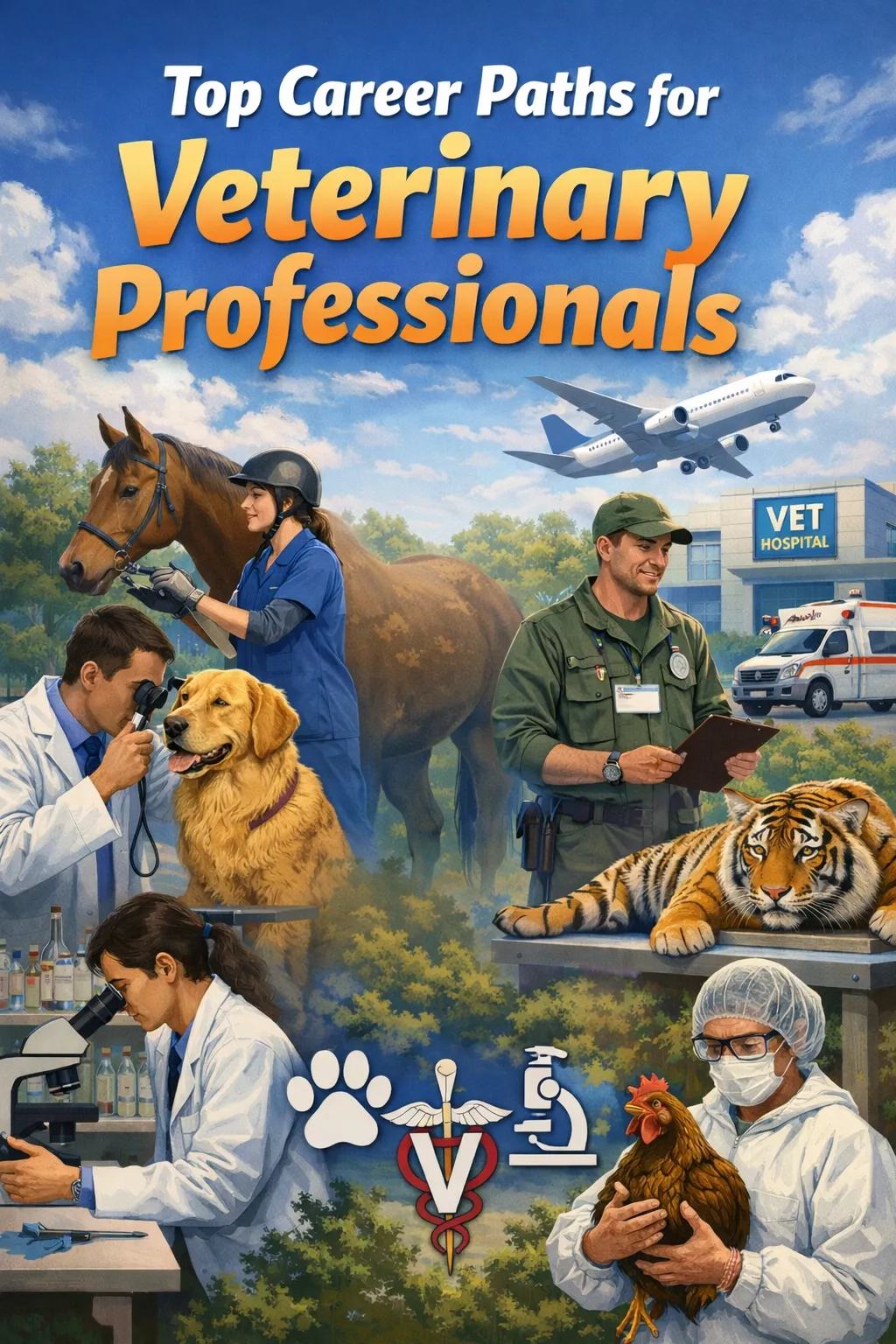
The veterinary profession is evolving faster than ever. By 2026, advances in technology, rising pet ownership, and shifting expectations around work-life balance are reshaping how veterinary professionals build their careers. Traditional clinic-based roles remain essential, but the modern veterinary workforce now spans clinical, virtual, and non-clinical paths.
For students planning their future and professionals considering a transition, understanding these changes is critical. Platforms like PetsVines, which focus on pet care education, veterinary trends, and industry insights, reflect how the profession itself is becoming more information-driven and digitally connected.
Why Veterinary Careers Are Growing in 2026
From clinical practice to virtual care and non‑clinical roles, today’s landscape offers diverse and flexible opportunities, including both in‑clinic roles and modern veterinarian jobs that support remote and hybrid work models.
Several factors are driving sustained growth across veterinary roles:
-
Increased pet adoption and longer pet lifespans
-
Higher demand for preventive, specialty, and chronic care
-
Expansion of telemedicine and digital veterinary services
-
Greater focus on mental health and sustainable workloads
-
Growing responsibilities for technicians, nurses, and allied professionals
These shifts have created a broader, more flexible career landscape, extending beyond traditional exam rooms into remote, advisory, and technology-supported roles.
Traditional Clinical Career Paths (Still in High Demand)
Despite innovation, clinical practice remains the foundation of veterinary medicine.
Companion Animal Veterinarian
Small-animal practice continues to be one of the most stable and in-demand paths. Veterinarians diagnose, treat, and manage long-term care for pets while building lasting relationships with pet owners.
Veterinary Specialists
Specialization continues to expand, particularly in:
-
Surgery
-
Internal medicine
-
Dermatology
-
Cardiology
-
Emergency and critical care
These roles often require advanced training but offer higher earning potential and focused expertise.
Mixed and Large Animal Practice
Veterinarians working with livestock, equine patients, and rural communities play a critical role in food safety, agriculture, and public health.
Support Roles: Growing Importance Across Practices
Modern veterinary clinics rely heavily on skilled support professionals.
Veterinary Nurses and Technicians
Technicians assist with diagnostics, anesthesia, laboratory work, and patient monitoring. Their scope of responsibility continues to expand, making them indispensable to efficient clinic operations.
Veterinary Assistants
Assistants support daily workflows through patient care, client communication, and administrative tasks. Many professionals enter the industry through
From clinical practice to virtual care and non‑clinical roles, today’s landscape offers diverse and flexible opportunities, including both in‑clinic roles and modern veterinarian jobs that support remote and hybrid work models.
roles before advancing into specialized or leadership positions.
Virtual Veterinary Jobs: A Rapidly Expanding Segment
One of the most significant shifts in 2026 is the rise of virtual veterinary roles. These positions allow professionals to apply clinical knowledge while reducing physical strain and burnout.
Virtual Consultations and Tele-Triage
Veterinary professionals now remotely:
-
Guide pet owners through symptoms
-
Conduct follow-ups after treatment
-
Assist with emergency decision-making
-
Educate clients on preventive care
This model aligns with how pet owners increasingly seek trusted online guidance—an area where educational platforms like PetsVines.com support informed decision-making.
Digital Health and Clinical Support
Some veterinarians contribute behind the scenes by reviewing cases, supporting AI-assisted diagnostics, developing educational content, or advising digital health platforms.
Non-Clinical Careers in Veterinary Medicine
Not all veterinary professionals remain in exam rooms long term.
Education and Training
Veterinarians are increasingly involved in:
-
Teaching at colleges and training institutes
-
Developing continuing education programs
-
Mentoring students and early-career professionals
Research and Public Health
Careers in research, epidemiology, and regulatory medicine allow veterinarians to impact animal and human health at a population level.
Veterinary Business and Management
Leadership skills translate well into:
-
Practice management
-
Operations and compliance
-
Workflow optimization and consulting
These roles support clinic efficiency while improving team well-being.
Future Career Hotspots to Watch
Several areas are emerging as strong growth opportunities:
-
Shelter medicine and animal welfare
-
Veterinary informatics and data analysis
-
Nutrition and preventive health consulting
-
Advisory roles in pharmaceuticals and medical devices
These paths highlight the increasingly interdisciplinary and technology-driven nature of veterinary medicine.
Choosing the Right Veterinary Career Path in 2026
When evaluating options, professionals should consider:
-
Desired work-life balance
-
Willingness to pursue additional training
-
Preference for clinical versus non-clinical work
-
Long-term career sustainability
The most successful veterinary careers in 2026 will be built on adaptability, continuous learning, and awareness of evolving industry needs.
Final Thoughts
The future of veterinary careers is broader and more flexible than ever before. Whether pursuing clinical practice, virtual care, or support-based roles, 2026 offers meaningful opportunities across the profession. Staying informed through trusted resources such as PetsVines.com helps professionals and pet owners alike navigate these changes with clarity and confidence.
FAQs
1. What are the most in-demand veterinary jobs in 2026?
Companion animal veterinarians, veterinary technicians, specialists, and virtual care professionals remain in high demand.
2. Are virtual veterinary jobs legitimate career options?
Yes. Tele-triage, consultation support, and educational roles are now established and expanding rapidly.
3. Can veterinary assistants build long-term careers?
Absolutely. Many professionals start as assistants and advance into technician, nursing, or management roles.
4. Do non-clinical veterinary jobs require a DVM?
Some roles do, particularly in research or regulatory fields, while others prioritize experience, education, or business expertise.
5. How should students prepare for veterinary careers in 2026?
Students should focus on strong clinical foundations, technology literacy, communication skills, and adaptability to new care models.