
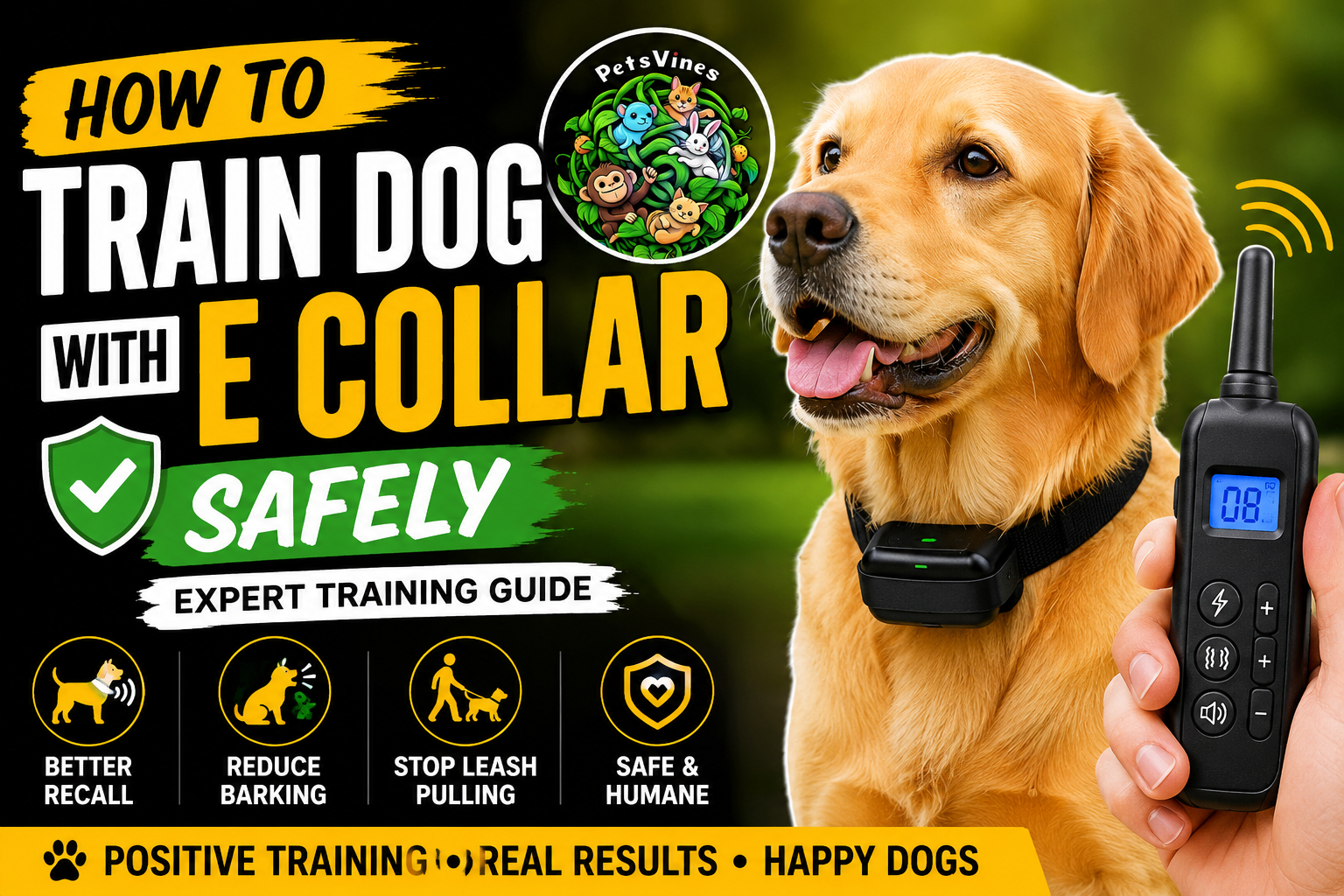
If you’ve ever found yourself calling your dog’s name three times in the backyard — only to be completely ignored — you’re not alone. Recall problems, off-leash distractions, and inconsistent command response are among the most common frustrations for pet owners worldwide.
A vibration collar can be a powerful training tool when used correctly. Unlike traditional shock collars, vibration-only collars use a buzzing sensation — similar to a phone vibrating — to gently interrupt or redirect your dog’s attention. There’s no pain involved, and when paired with reward-based techniques, they can accelerate training in a humane, effective way.
This guide covers everything you need to know: how vibration collars work, how to introduce one to your dog, step-by-step training methods, common mistakes, and when this tool is most (and least) appropriate. Whether you have a puppy learning the basics or an adult dog that needs a refresher, you’ll find practical, expert-backed advice here.
To train a dog with a vibration collar, start by letting your dog wear the collar without activating it so they get comfortable with the feel. Then pair the vibration with a command like “come” using positive reinforcement — treats, praise, and patience. Use the vibration as a gentle attention cue, not a punishment. Always reward the correct response immediately. Consistency, timing, and keeping sessions short (5–10 minutes) are the keys to success.
For more in-depth dog care tips, check out the PetsVines Dog Resource Hub — a great companion to this guide.
What Is a Vibration Collar and How Does It Work?
The Basics
A vibration collar (sometimes called a “pager collar” or “vibe collar”) is a remote-controlled training device that sends a buzzing vibration through contact points resting against your dog’s neck. It’s controlled via a handheld remote, letting you activate the vibration from a distance — typically 100 to 1,000 meters depending on the model.
Most vibration collars also include a tone or beep mode. Many professional trainers prefer the vibration setting over beeping because everyday sounds — phone alarms, doorbells, microwave beeps — can confuse a dog trained on audio cues. The vibration is uniquely distinct, making it a cleaner communication signal.
Vibration vs. Stimulation (Shock): What’s the Difference?
It’s important to understand that vibration collars are not the same as e-collars that deliver an electric stimulation. A vibration-only collar produces no electrical current whatsoever — just a tactile buzz. This makes them significantly less controversial and widely considered appropriate for sensitive dogs, deaf dogs, and puppies.
E-collars with both vibration and stimulation modes exist, but the two functions serve different purposes and should be treated separately during training. This guide focuses exclusively on the vibration function.
Why Use a Vibration Collar? Key Benefits
- Non-aversive communication: The vibration is attention-grabbing but not painful, making it suitable for positive reinforcement-based training.
- Off-leash distance control: You can communicate with your dog even when they’re far away or distracted.
- Ideal for deaf dogs: According to the American Kennel Club, vibration collars are one of the most recommended tools for training hearing-impaired dogs, replacing verbal cues with a tactile signal.
- Reduces voice fatigue: Instead of shouting commands across a field, one button press does the job.
- Faster recall training: When paired with rewards, the vibration cue can significantly improve response times for “come” and other commands.
How to Introduce a Vibration Collar to Your Dog
Step 1: Let Your Dog Wear It First — Without Activating It
Before you ever press a button, let your dog wear the collar for several sessions. Put it on during positive moments — mealtime, a walk, playtime. The goal is for your dog to associate the collar itself with good things, not just to tolerate it.
This acclimation period is non-negotiable. Skipping it is one of the most common mistakes new owners make.
Step 2: Check Fit and Contact Point Placement
The collar should fit snugly — you shouldn’t be able to fit more than two fingers between the collar and your dog’s neck. The contact points must touch the skin. If the collar is too loose or your dog has a very thick coat, the vibration may not register properly.
Pro Tip: Rotate the collar position slightly every 1–2 hours during initial wear to prevent any skin irritation from the contact points.
Step 3: Introduce the Vibration in a Calm Environment
Choose a quiet room with no distractions. Activate the vibration briefly while your dog is calm and reward immediately with a high-value treat and verbal praise. Repeat 5–6 times. You’re not teaching a command yet — you’re simply teaching your dog that the buzz is a neutral-to-positive signal, not something to fear.
Watch your dog’s body language closely:
- Positive signs: Ears forward, looking at you, calm posture
- Stress signs: Trembling, panting, crouching, tail tucked
If you notice stress, slow down significantly before moving forward.
Step-by-Step: How to Train a Dog with a Vibration Collar
Phase 1: Pairing the Vibration with a Command
The most effective approach pairs the vibration cue with a command your dog already partially knows — “come” is the most common starting point.
- Have your dog on a long lead (10–15 feet) in a low-distraction area.
- Say “come” in a clear, normal tone.
- Simultaneously press the vibration button.
- The moment your dog turns and moves toward you, release the button.
- When they reach you, reward enthusiastically — treats, praise, play.
The key principle: vibration = start of cue → movement toward you = vibration ends → arrival = reward. You’re creating a predictable pattern your dog can understand.
Phase 2: Building Reliability
Once your dog consistently responds at close range, gradually increase distance and add mild distractions. Move training outdoors — but start in a low-traffic area first.
Keep sessions to 5–10 minutes maximum. According to research published in Applied Animal Behaviour Science, short and frequent training sessions produce better learning outcomes than long, infrequent ones. End every session on a success.
Phase 3: Proofing in Real-World Environments
“Proofing” means testing your dog’s recall in challenging environments — dog parks, trails, around other animals. This is where most owners rush, and where training breaks down.
Add distractions one at a time. If your dog fails to respond, don’t increase intensity — go back to a less distracting environment and rebuild. Success in easy situations always precedes success in harder ones.
Other Commands You Can Teach
The vibration signal can extend beyond recall. Common applications include:
- Sit / Stay: Vibrate when the dog breaks position, then redirect and reward the correct behavior.
- Leave it: Use vibration to interrupt unwanted sniffing or chasing, then redirect.
- Boundary training: Vibrate as a signal when your dog approaches a set boundary, paired with a verbal cue.
Common Mistakes to Avoid
Using the Vibration as Punishment
The vibration collar is a communication tool, not a punishment device. Using it reactively — buzzing your dog after they’ve already misbehaved — creates confusion and anxiety. Dogs can’t connect a delayed buzz to a past action. They need immediate, clear feedback tied to a specific behavior.
Going Too Fast
Rushing through training stages is the #1 reason vibration collar training fails. Each dog is different — some acclimate in two sessions, others need two weeks. Patience isn’t optional; it’s the method itself.
Using It for Dogs with Severe Anxiety
Vibration collars are generally not appropriate as a primary tool for dogs with significant fear or anxiety issues. If your dog shows extreme fearfulness or aggression, consult a certified trainer before introducing any collar-based training. The Association of Professional Dog Trainers (APDT) maintains a searchable directory of qualified professionals.
Not Rewarding Consistently
Inconsistent rewards break the learning chain. In the early stages, every correct response must be rewarded. Over time you can shift to variable reinforcement — but initially, consistency is non-negotiable.
Is a Vibration Collar Right for Your Dog?
Works best for:
- Dogs with strong prey drive who get overstimulated outdoors
- Deaf dogs who need a tactile communication cue
- Dogs that have hit a training plateau
- Off-leash activities like hiking, hunting, or agility
Not ideal for:
- Puppies under 6 months with no foundational training
- Extremely anxious or fear-based dogs (without professional guidance)
- Dogs with no basic obedience foundation
As Suburban K9’s training philosophy emphasizes: the collar should reinforce training that’s already been taught — not replace the teaching itself.
How to Choose the Right Vibration Collar
When shopping, look for:
| Feature | What to Look For |
|---|---|
| Vibration intensity levels | At least 3–5 adjustable levels |
| Range | 300m for yards; 800m+ for outdoor activities |
| Waterproofing | Essential for active dogs |
| Battery | Rechargeable preferred |
| Modes | Separate tone + vibration modes |
For detailed product comparisons and owner-tested recommendations, visit the PetsVines pet resource center.
FAQ’s
Are vibration collars cruel?
No. When used correctly, vibration collars are not cruel. The sensation is comparable to a phone buzzing — not painful. The key is using it as a gentle attention cue paired with positive reinforcement, never as punishment.
Can I use a vibration collar on a puppy?
Most trainers recommend waiting until at least 6 months of age, once the puppy has basic obedience foundations. Very young puppies are still developing emotionally and cognitively.
How long does it take to see results?
Most dogs show noticeable improvement in recall response within 2–4 weeks of consistent training.
Can I use it on an aggressive dog?
Only under professional guidance. Misuse with an aggressive dog can worsen behavioral problems significantly.
How is a vibration collar different from a shock collar?
A vibration-only collar produces zero electrical current — it simply vibrates. A shock collar delivers a mild electrical stimulation. They are fundamentally different tools.
Train Smarter, Not Harder
A vibration collar is not a magic fix — it’s a communication bridge. When you properly introduce it, pair it with clear commands, and reward the right behaviors consistently, it becomes one of the most effective off-leash training tools available.
The foundation always matters most. Build trust, build obedience, then use the collar to extend what your dog already knows. Done right, vibration collar training strengthens — not strains — your bond with your dog.
Also Visit: How to Train Dog With E Collar Safely | Expert Training Guide