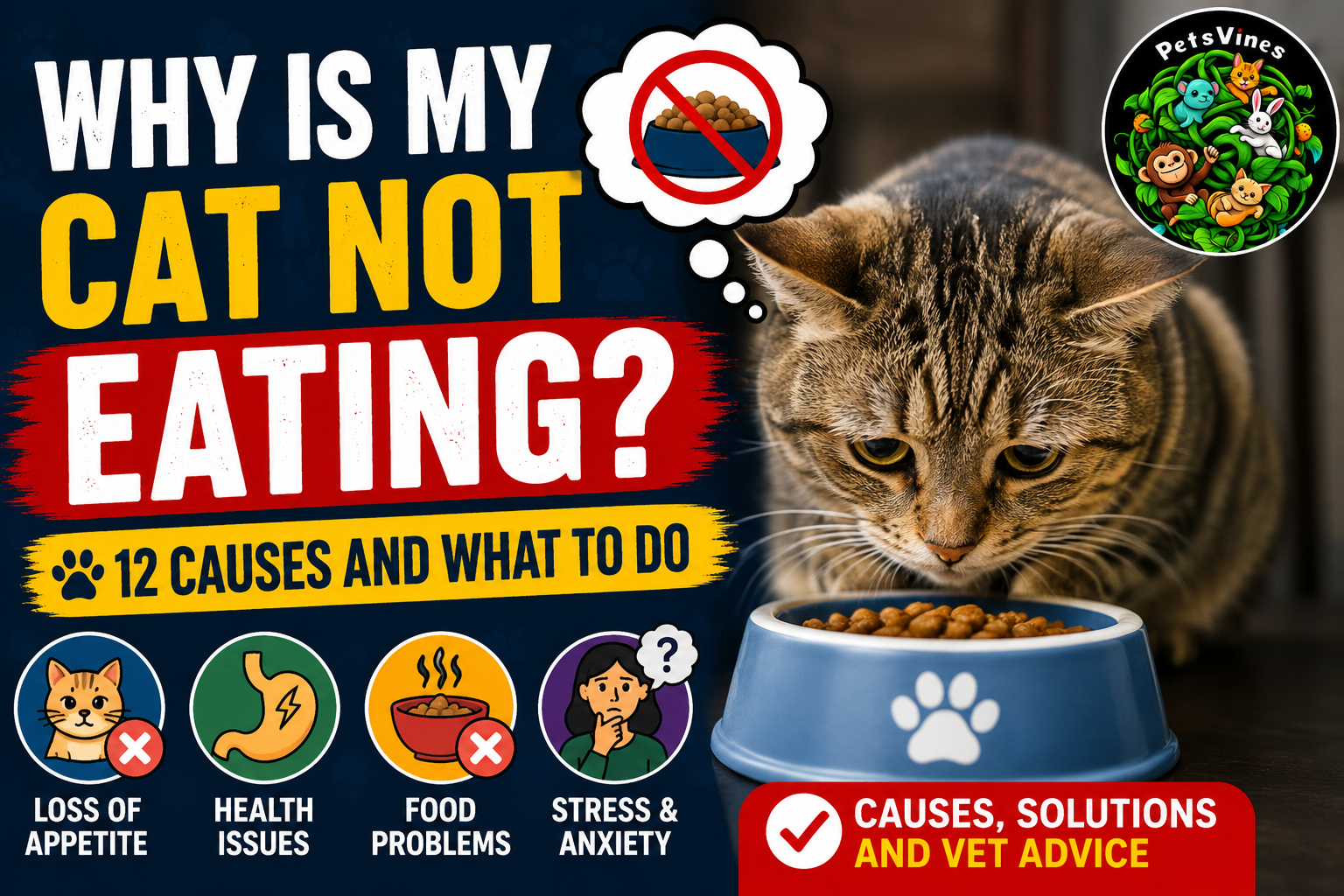
You put the bowl down. Your cat sniffs it, turns away, and walks off. Or maybe they have not touched their food since yesterday. The worry that sets in is immediate and completely understandable. Cats are creatures of routine, and when they stop eating, something has changed.
Over years of writing about feline health and speaking with cat owners, one thing becomes clear: people consistently underestimate how quickly a cat’s refusal to eat becomes a medical emergency. Dogs can miss a day or two of food with little consequence. Cats are completely different. Their unique metabolism means that even 48 hours without adequate food can trigger a dangerous and potentially fatal liver condition called hepatic lipidosis.
This guide explains every major reason a cat might stop eating, how to tell true appetite loss from picky behavior, what you can safely try at home, and why the 24-hour rule exists for a very good reason.
True Anorexia vs. Pseudo-Anorexia: What Is the Difference?
Veterinarians distinguish between two types of appetite loss, and the difference matters for treatment.
True anorexia is when a cat has no desire to eat. They are not hungry, not interested, and will not eat even food they previously loved. This is almost always driven by illness, pain, stress, or nausea.
Pseudo-anorexia is when a cat wants to eat and is clearly hungry, but something physically prevents them from doing so. They may approach the bowl, take a bite, then walk away or paw at their mouth. This is usually driven by dental pain, a mouth injury, or difficulty swallowing.
As VCA Animal Hospitals explains, determining which type your cat has is the critical first step in diagnosis, because the underlying cause and treatment differ significantly.
The Hepatic Lipidosis Warning: Why This Is Always Urgent
Unlike most other animals, cats cannot tolerate extended periods without food. When a cat stops eating, the body begins mobilizing fat stores to use as energy. This fat is sent to the liver for processing, but the feline liver is not designed to handle large volumes of fat efficiently. The result is fat accumulation inside liver cells, a condition called hepatic lipidosis, or fatty liver disease.
As the Cornell Feline Health Center notes, this condition can develop in cats who have gone without food for as little as a few days, and it is life-threatening if not treated promptly. Obese cats are at significantly higher risk. Signs that hepatic lipidosis may be developing include yellowing of the skin, eyes, or gums, extreme lethargy, drooling, and vomiting bile. If you see any of these alongside food refusal, treat it as an emergency.
12 Reasons Why Your Cat Is Not Eating
1. Illness or Infection
The most common reason a cat stops eating is that they do not feel well. Nearly every illness, from a minor upper respiratory infection to serious systemic disease, suppresses appetite. Cats with fevers, infections, or pain reliably go off their food. According to the Cornell Feline Health Center, anorexia in cats is “a very broad clinical sign” that is almost always a symptom of something else going on underneath.
2. Dental Disease and Oral Pain
Dental disease is one of the most underdiagnosed conditions in cats and a leading cause of appetite loss. Painful teeth, inflamed gums, mouth ulcers, or broken teeth can make eating genuinely agonizing. A cat with dental pain may approach the bowl hungry, take a bite, then back away or shake their head. Regular annual dental checkups can catch and treat dental disease before it progresses this far.
3. A New or Changed Food
Cats are famously conservative about their food. A sudden switch to a new brand, flavor, or texture can trigger complete food refusal. Even changes in a food’s recipe by the manufacturer, without any change on your end, can cause a cat to reject food they previously ate enthusiastically. If you recently changed foods, offering the previous food is a reasonable first step.
4. Stress or Anxiety
Environmental stress is a potent appetite suppressant in cats. Moving to a new home, the arrival of a new pet or baby, loud construction, or even a rearranged living space can cause significant anxiety and food refusal. Stressed cats often hide and groom excessively alongside refusing food. Identifying and addressing the stressor usually restores appetite once the cat feels secure again.
5. Kidney Disease
Chronic kidney disease causes buildup of waste products in the bloodstream that trigger persistent nausea and appetite suppression. Affected cats also show increased thirst and urination, weight loss, vomiting, and a deteriorating coat. Kidney disease is most common in cats over 7 years old and is one of the top reasons senior cats lose interest in food. Early diagnosis through bloodwork and proactive dietary management can slow progression significantly.
6. Hyperthyroidism
An overactive thyroid causes dramatically increased metabolism. In early stages, affected cats eat voraciously but lose weight. As the disease progresses, appetite often declines and cats may stop eating entirely. Other signs include hyperactivity, vomiting, increased thirst, and a poorly groomed coat. Hyperthyroidism is common in cats over 10 years old and is easily diagnosed with a blood test.
7. Gastrointestinal Disease
Pancreatitis, inflammatory bowel disease (IBD), and intestinal blockages all disrupt digestion and cause significant nausea, pain, and appetite loss. Pancreatitis in particular is notoriously difficult to diagnose in cats because the symptoms are often vague, but persistent appetite loss combined with lethargy and occasional vomiting is a classic presentation requiring veterinary investigation.
8. Cancer
Various types of cancer can cause appetite loss either directly through tumors affecting the digestive system, or indirectly through the metabolic effects of the disease. Unexplained weight loss alongside appetite loss, particularly in a cat over 10 years old, is always a reason for a thorough veterinary examination. Early detection significantly improves treatment options and outcomes.
9. Recent Vaccination
It is entirely normal for cats to feel slightly under the weather and eat less for 24 to 48 hours after receiving vaccinations. The immune response triggered by vaccines can cause mild fever, fatigue, and reduced appetite. This is not a cause for concern as long as the appetite returns within a day or two and your cat is otherwise behaving normally.
10. Medication Side Effects
Many medications commonly prescribed for cats including antibiotics, pain medications, and chemotherapy drugs list reduced appetite or nausea as side effects. If your cat recently started a new medication and has stopped eating, contact your vet. They may be able to adjust the dosage, change the medication, or prescribe an anti-nausea drug to manage the side effect.
11. Food Spoilage or Bowl Issues
Sometimes the problem is the food itself rather than the cat. Wet food left out for more than an hour, stale dry food from an open bag, or food stored in a can that has developed an off smell will be detected and rejected by your cat’s sensitive nose long before you notice anything wrong. Also consider the bowl itself. Cats have sensitive whiskers and some dislike having their whiskers touch the sides of a narrow bowl. A wide shallow dish or flat plate can sometimes solve a mystery food refusal.
12. Psychological Food Aversion
Cats that experienced nausea, pain, or discomfort at the same time as eating a particular food can develop a strong negative association with it. They remember the feeling and will refuse that food afterward even if it was not the actual cause of their discomfort. This is particularly common after illness, surgery, or aggressive medical treatment. Offering a completely different food during recovery can help break the association.
How to Encourage a Cat to Eat at Home
If your cat has missed one meal but is still alert and otherwise normal, these vet-aligned approaches can help before reaching for the phone:
Warm up wet food slightly. Gently warming wet food to just below body temperature releases aroma and makes it significantly more appealing. A few seconds in the microwave, stirred well to avoid hot spots, is all it takes.
Offer high-value alternatives. Plain boiled chicken breast with no seasoning, a small amount of low-sodium chicken broth (no onion or garlic), or canned tuna in water can sometimes tempt a reluctant eater. Use these as short-term appetite stimulants only.
Try a different texture. If your cat normally eats dry food, offer wet. If they eat wet, try a different texture. Texture preferences in cats are stronger than most owners realize.
Feed smaller amounts more frequently. Four to five very small servings throughout the day are less overwhelming to a nauseated cat than two larger meals.
Reduce environmental stress. Feed your cat in a quiet, low-traffic area away from other pets and household noise. A calm eating environment makes a meaningful difference for anxious cats.
Never force feed. Attempting to syringe food into a cat’s mouth without veterinary guidance can cause aspiration pneumonia and worsen food aversion. Leave this to your vet.
⚠️ See a Vet Immediately If Your Cat:
- Has not eaten anything for more than 24 hours
- Shows yellowing of the eyes, gums, or skin (jaundice)
- Is lethargic, weak, or hiding continuously
- Is vomiting alongside the food refusal
- Is losing weight rapidly
- Has a known underlying condition such as diabetes or kidney disease
- Is a kitten, senior cat, or overweight cat
What Will the Vet Do?
Your vet will take a thorough history asking about the duration of appetite loss, any recent changes at home, current medications, and other symptoms. They will perform a full physical exam including checking the mouth, teeth, lymph nodes, abdomen, and heart and lungs. Diagnostic tests may include blood work, urinalysis, fecal analysis, X-rays, and ultrasound.
In cats who have not eaten for several days, your vet may recommend appetite stimulants such as mirtazapine or cyproheptadine, which can help restore interest in food while the underlying cause is treated. In severe cases, a feeding tube may be placed to deliver nutrition directly and protect the liver.
FAQs
How long can a cat go without eating?
Cats should not go more than 24 to 48 hours without food before it becomes medically concerning. The risk of hepatic lipidosis begins developing within just a few days of no caloric intake. If your cat has not eaten for more than 24 hours, contact your vet rather than waiting to see if they eat tomorrow.
My cat is not eating but is drinking water. Should I worry?
Drinking water while refusing food is a common presentation. It can indicate nausea, dental pain, or illness. The fact that they are drinking is a good sign for hydration, but food refusal persisting beyond 24 hours still requires veterinary evaluation regardless of water intake.
Can cats be picky eaters or is it always illness?
Some cats are genuinely picky about food texture, temperature, and flavor. However, a sudden change in eating habits that was not present before is almost never just pickiness. It is a signal that something has changed, whether the food, their health, or their environment.
Why did my cat stop eating after a move?
Moving is extremely stressful for cats. A new home has completely unfamiliar smells, sounds, and layout. Stress-related appetite loss after a move is very common and usually resolves within a few days as the cat adjusts. Keeping their feeding area quiet and consistent, and using their old familiar bowls and food during the transition, helps significantly.
Should I try changing my cat’s food if they stop eating?
If the food itself seems to be the issue, offering a different food is reasonable. However, if appetite loss came on suddenly with no food change, do not focus on the food. Focus on getting a veterinary evaluation to rule out an underlying health cause.
My cat stopped eating after a vet visit. Is this normal?
Yes. The stress of a vet visit along with any procedures performed can temporarily suppress appetite. If your cat does not eat for more than 24 hours after a vet visit, call the clinic. They may want to follow up, particularly if your cat received sedation or new medications.
Can I give my cat appetite stimulants from the pet store?
Over-the-counter appetite stimulants marketed for cats are not evidence-based and are not recommended by veterinarians. The only effective, vet-approved appetite stimulants for cats such as mirtazapine and cyproheptadine require a prescription. Contact your vet rather than attempting to self-treat.
What is the fastest way to get my cat to eat again?
Warming wet food slightly, offering high-value foods like plain boiled chicken, feeding in a calm environment, and reducing any identified stressors are the most effective at-home approaches. If none of these work within 24 hours, a vet visit is the fastest and safest route to getting your cat eating again.
Do Not Wait It Out With a Cat That Is Not Eating
The single most important takeaway is simple: cats cannot afford to skip meals the way other animals can. The 24-hour rule exists because hepatic lipidosis is real, serious, and develops faster than most owners expect. If your cat skips one meal but is otherwise acting normally, you have a short window to try the home strategies above. If they reach the 24-hour mark without eating, call the vet rather than waiting another day.
For more guides on cat health, nutrition, and behavior, visit the PetsVines Cat Care hub.
Also Visit: Why Is My Cat Vomiting? Causes, Types and When to See a Vet