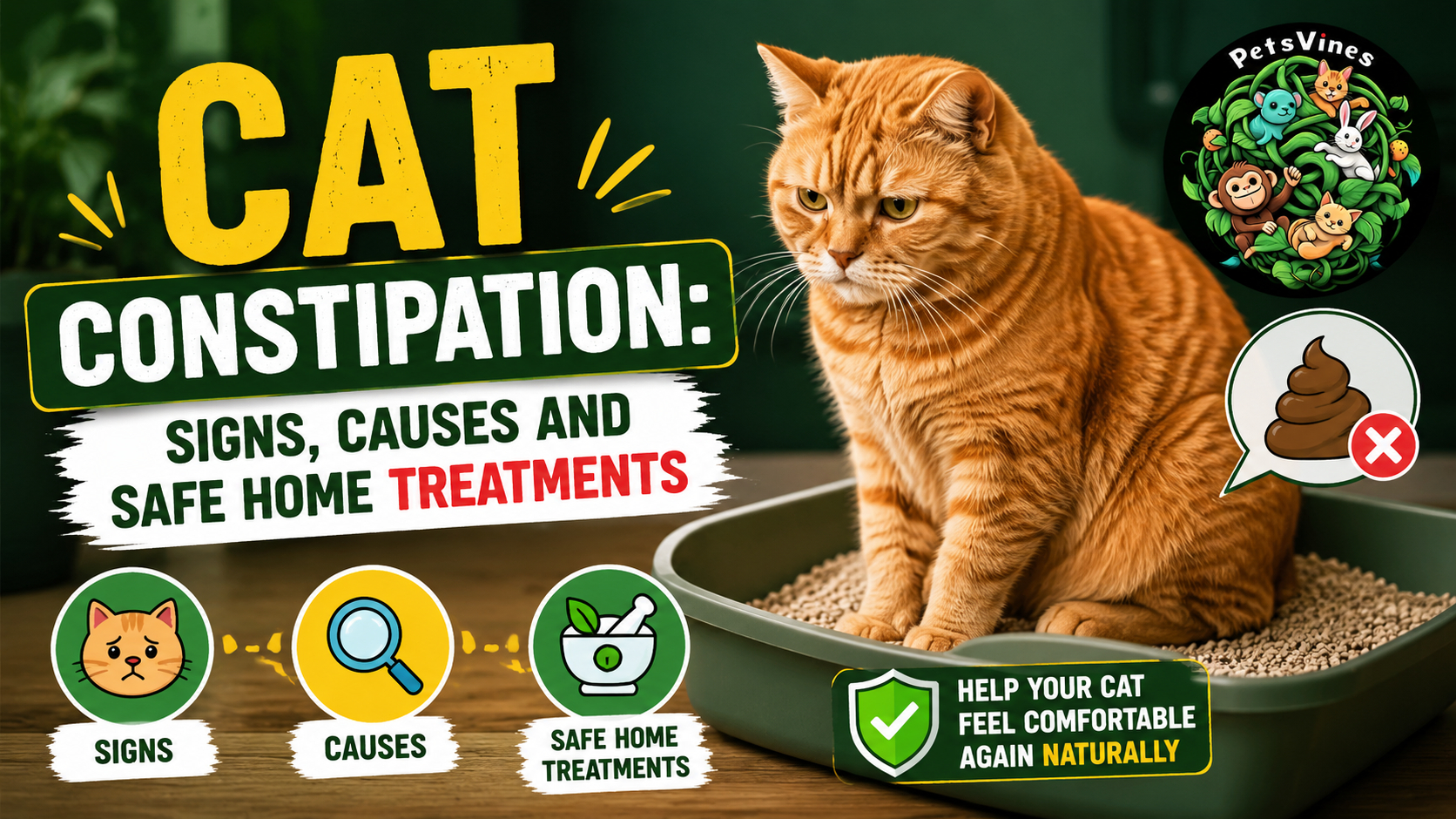
You are scooping the litter box and something seems off. Fewer deposits than usual, smaller and harder pellets, or perhaps nothing at all for a day or two. When you watch your cat use the box, they seem to be straining and uncomfortable. Cat constipation is one of those problems that is easy to miss early on, because the signs can be subtle, but important to address before it becomes a much more serious issue.
Having researched feline gastrointestinal health extensively, I can tell you that constipation is one of the most common digestive complaints in cats, particularly in middle-aged and senior cats. It is also one of the most preventable conditions with the right dietary and lifestyle approach. This guide covers everything you need to recognize it, address it safely at home when appropriate, and know when it is time to call the vet.
What Is Cat Constipation?
Constipation occurs when feces move too slowly through the colon, allowing the colon to absorb excessive water from the stool. The result is stool that becomes progressively drier, harder, and more difficult to pass. As Cats.com explains, “the longer stool sits in the colon, the drier and harder it becomes, which makes the problem progressively worse over time.”
Healthy cats defecate one to three times per day, producing formed, moist, dark brown stools. Constipation should be suspected in any cat that has not produced stool in 48 hours or more, or that is producing unusually small, dry, or hard pellets.
In severe cases where the colon becomes completely impacted, a condition called obstipation develops. Obstipation requires immediate veterinary intervention and can become life-threatening without treatment. When chronic constipation is left unmanaged over a long period, it can lead to megacolon, a permanent dilation of the colon that loses its ability to contract and is extremely difficult to treat. This is why even seemingly mild constipation deserves attention.
Signs Your Cat May Be Constipated
The signs of constipation can be subtle, especially in early stages. Monitor your cat’s litter box daily to catch changes early. Signs to watch for include:
- Fewer bowel movements than your cat’s normal pattern
- Small, dry, hard, or pebble-like stools in the litter box
- Straining in the litter box with little or no output
- Repeated trips to the litter box without producing stool
- Crying, meowing, or vocalizing while attempting to defecate
- Squatting longer than normal in the box
- Passing very small amounts of liquid stool (this is liquid seeping around a blockage, not diarrhea)
- Reduced appetite alongside litter box changes
- Lethargy or less activity than normal
- A distended or hard-feeling abdomen
- Defecating outside the litter box
10 Common Causes of Cat Constipation
1. Dehydration
Dehydration is the single most common underlying factor in cat constipation. When a cat does not drink enough water, the colon compensates by extracting more water from the stool, making it dry and hard. Many cats on dry food diets are in a state of mild chronic dehydration because dry kibble contains only 8 to 10% moisture compared to the 70 to 80% moisture in wet food or the moisture content of prey animals their bodies evolved to consume. Increasing water intake through wet food or a pet water fountain is often the most impactful single intervention for chronic constipation.
2. Low Dietary Fiber
Fiber plays a critical role in maintaining healthy gut motility. Both insufficient fiber and excessive fiber can contribute to constipation, but a diet lacking adequate soluble fiber is a very common contributor. This is particularly relevant for cats on exclusively dry kibble diets that lack variety.
3. Hairballs
Hairballs that accumulate in the stomach or intestines rather than being vomited up can contribute to constipation by creating a partial blockage that slows gut transit. Long-haired cats are most affected. Regular brushing, hairball prevention formulas, and veterinary-approved lubricant gels are the primary preventive strategies.
4. Obesity and Inactivity
Overweight cats and those that are largely sedentary have reduced gut motility compared to lean, active cats. Physical movement stimulates intestinal contractions that keep stool moving through the colon. This is one of many reasons maintaining a healthy weight and encouraging regular play is important for overall cat health.
5. Arthritis or Mobility Issues
Cats with arthritis or other painful mobility conditions may avoid squatting in the litter box because the position is painful. They may use the box less frequently, leading to stool sitting in the colon longer than normal. If your older cat’s constipation coincides with reduced jumping or reluctance to use stairs, arthritis pain may be a contributing factor worth discussing with your vet.
6. Litter Box Avoidance
A dirty, inaccessible, or anxiety-provoking litter box can cause a cat to hold their bowel movements voluntarily for extended periods. Cats are fastidious about their litter boxes. If the box is not cleaned frequently, is in a location that feels unsafe (near a washing machine or in a high-traffic area), has been switched to a new litter the cat dislikes, or is being ambushed by another cat in a multi-cat household, voluntary stool retention leading to constipation can result.
7. Kidney Disease
Chronic kidney disease is one of the most common underlying conditions in constipated cats, particularly senior cats. CKD impairs the kidneys’ ability to concentrate urine, leading to increased fluid loss through urination and subsequent systemic dehydration that affects the colon. Managing CKD involves aggressive hydration support that simultaneously helps address constipation.
8. Pelvic Narrowing from Previous Injury
Cats that sustained pelvic fractures from trauma such as being hit by a car may have healed with a narrowed pelvic canal. This narrowing can partially obstruct the passage of stool through the colon, causing chronic constipation that persists for the rest of the cat’s life. Dietary management, laxatives, and in some cases surgical pelvic widening are options your vet may discuss.
9. Neurological Issues
The muscles of the colon require intact nerve supply to contract properly and move stool forward. Spinal cord disease, nerve damage from injury, or dysautonomia (a rare condition affecting the autonomic nervous system) can impair this nerve supply and result in a colon that cannot propel stool effectively.
10. Medications
Certain medications including some antihistamines, opioid pain medications, antacids containing aluminum, and diuretics can slow gut motility or reduce hydration and contribute to constipation as a side effect. If your cat’s constipation began shortly after starting a new medication, contact your vet to discuss alternatives or management strategies.
Safe Home Remedies for Mild Cat Constipation
If your cat has had one to two days of reduced stool output or harder-than-usual stools but is otherwise eating, drinking, and behaving normally, these home steps are appropriate to try first:
Increase water intake immediately. Add water or low-sodium chicken broth (no onion or garlic) to wet food. Place multiple water bowls in different locations around the house. Consider a pet water fountain, which encourages many cats to drink more. Switching from dry to wet food can make a significant difference in hydration status.
Add plain canned pumpkin. Plain canned pumpkin (100% pumpkin, not pie filling which contains spices and sugar) is a safe, well-tolerated source of soluble fiber that helps soften stool and improve gut motility. Start with one to two teaspoons mixed into wet food once or twice daily. Most cats accept it readily.
Consider Miralax (polyethylene glycol). Miralax is a gentle osmotic laxative that works by drawing water into the colon to soften stool. According to Cats.com, the typical starting dose for cats is 1/8 teaspoon once daily mixed into wet food, which can be increased in 1/8 teaspoon increments up to twice daily. Always confirm dosing with your vet before using any medication, even over-the-counter ones.
Encourage movement and play. Physical activity stimulates intestinal contractions. Schedule interactive play sessions of 10 to 15 minutes, ideally after meals when gut motility is naturally higher.
Maintain a clean, accessible litter box. Scoop at least once daily. Ensure the box is large enough for your cat to turn around comfortably and is positioned in a quiet, low-traffic location that feels safe and private.
Never Give a Constipated Cat:
- Human laxatives such as Ex-Lax, MiraLAX in excessive doses, or stimulant laxatives not approved for cats by your vet
- Enemas intended for humans, particularly those containing sodium phosphate which is toxic to cats
- Mineral oil given orally without vet guidance, as it can be inhaled and cause aspiration pneumonia
- Castor oil, which causes severe GI upset in cats
- Any laxative or stool softener without first confirming the dose with your veterinarian
See a Vet Within 24 Hours If Your Cat:
- Has had no bowel movement for 48 to 72 hours despite home interventions
- Is straining repeatedly in the litter box with no output at all
- Is crying or vocalizing in pain when attempting to defecate
- Has a visibly distended or hard abdomen
- Is vomiting alongside the constipation
- Has stopped eating or is significantly lethargic
- Is producing only liquid seeping around a blockage (can look like diarrhea)
- Is a senior cat with known kidney disease or other underlying conditions
What Happens at the Vet
Your vet will take a thorough history including diet, water intake, litter box access, recent medications, and duration of symptoms. Physical examination includes abdominal palpation to feel for impacted stool in the colon and assessment of hydration status. X-rays are often recommended to determine how much stool is present and whether it has reached a level of impaction requiring more aggressive intervention.
Treatment options depend on severity. Mild constipation is managed with dietary fiber supplementation, osmotic laxatives, and increased hydration. Moderate impaction may require subcutaneous or intravenous fluids to rehydrate and soften the stool. Severe impaction typically requires manual removal of impacted stool under sedation or anesthesia, a procedure called enema and manual evacuation. For recurrent chronic constipation, long-term dietary management, regular laxative use, and in some cases surgery for megacolon are necessary.
Preventing Cat Constipation Long-Term
The most effective prevention strategies are consistent hydration (ideally through wet food as the dietary foundation), maintaining a healthy weight, ensuring regular physical activity and play, keeping litter boxes scrupulously clean and accessible, and scheduling regular veterinary checkups that include monitoring for kidney disease and other common causes of chronic constipation in cats.
Frequently Asked Questions About Cat Constipation
How long can a cat go without pooping before it is an emergency?
Any cat that has not defecated in 48 to 72 hours needs veterinary attention. While some cats naturally defecate slightly less frequently than others, going beyond 72 hours without a bowel movement indicates that intervention is needed and that waiting at home without veterinary guidance is risky.
Can I give my cat olive oil for constipation?
Small amounts of olive oil mixed into food are occasionally suggested as a home remedy, but the evidence for efficacy is limited and there is a risk of adding excessive dietary fat that can cause other digestive upset. Pumpkin and Miralax are better-supported and safer options. Always discuss with your vet before trying any home remedy.
Why is my cat straining in the litter box but producing poop?
Straining even when some stool is produced indicates that passing stool is painful or difficult. This can be due to constipation with harder than normal stool, large intestinal inflammation or IBD, or early megacolon. All of these warrant a veterinary visit to identify the cause and appropriate treatment.
Does wet food help with cat constipation?
Yes, significantly. Wet food contains 70 to 80% moisture compared to the 8 to 10% moisture in dry kibble. Switching to wet food, or adding wet food to the diet alongside dry kibble, is one of the most effective dietary changes for preventing and managing chronic constipation by addressing the root cause of dehydration-related stool hardening.
Is cat constipation common in older cats?
Yes, senior cats are significantly more prone to constipation than younger cats. Contributing factors include reduced mobility and activity, the high prevalence of chronic kidney disease in cats over 7 years old, reduced gut motility associated with aging, and the greater likelihood of arthritis making litter box posture painful. Senior cats benefit from twice-yearly veterinary checkups that include monitoring for these risk factors.
Can stress cause constipation in cats?
Yes. Stress can cause both diarrhea and constipation in cats depending on how it affects gut motility in a particular individual. Cats experiencing significant anxiety may avoid the litter box, voluntarily hold bowel movements, or experience altered gut motility that slows stool transit. Identifying and addressing stress triggers is an important part of managing stress-related constipation.
My cat is constipated and vomiting. Should I go to the vet now?
Yes. Constipation combined with vomiting is a concerning combination that can indicate severe impaction or obstipation where the buildup of stool is causing enough pressure to trigger vomiting. This combination warrants a same-day veterinary visit rather than home management.
Keep Your Cat Regular: The Bottom Line
Cat constipation is one of the most preventable and manageable digestive conditions, particularly when caught early. The combination of adequate hydration through wet food, appropriate dietary fiber, regular physical activity, and clean accessible litter boxes addresses the most common root causes before they become serious. When symptoms suggest the constipation has moved beyond the mild end of the spectrum, prompt veterinary attention prevents the condition from progressing to obstipation or megacolon.
For more expert cat health guides covering every aspect of feline health and behavior, visit the PetsVines Cat Care hub.
Also Visit: Why Does My Cat Sleep So Much? Is It Normal?