Introduction
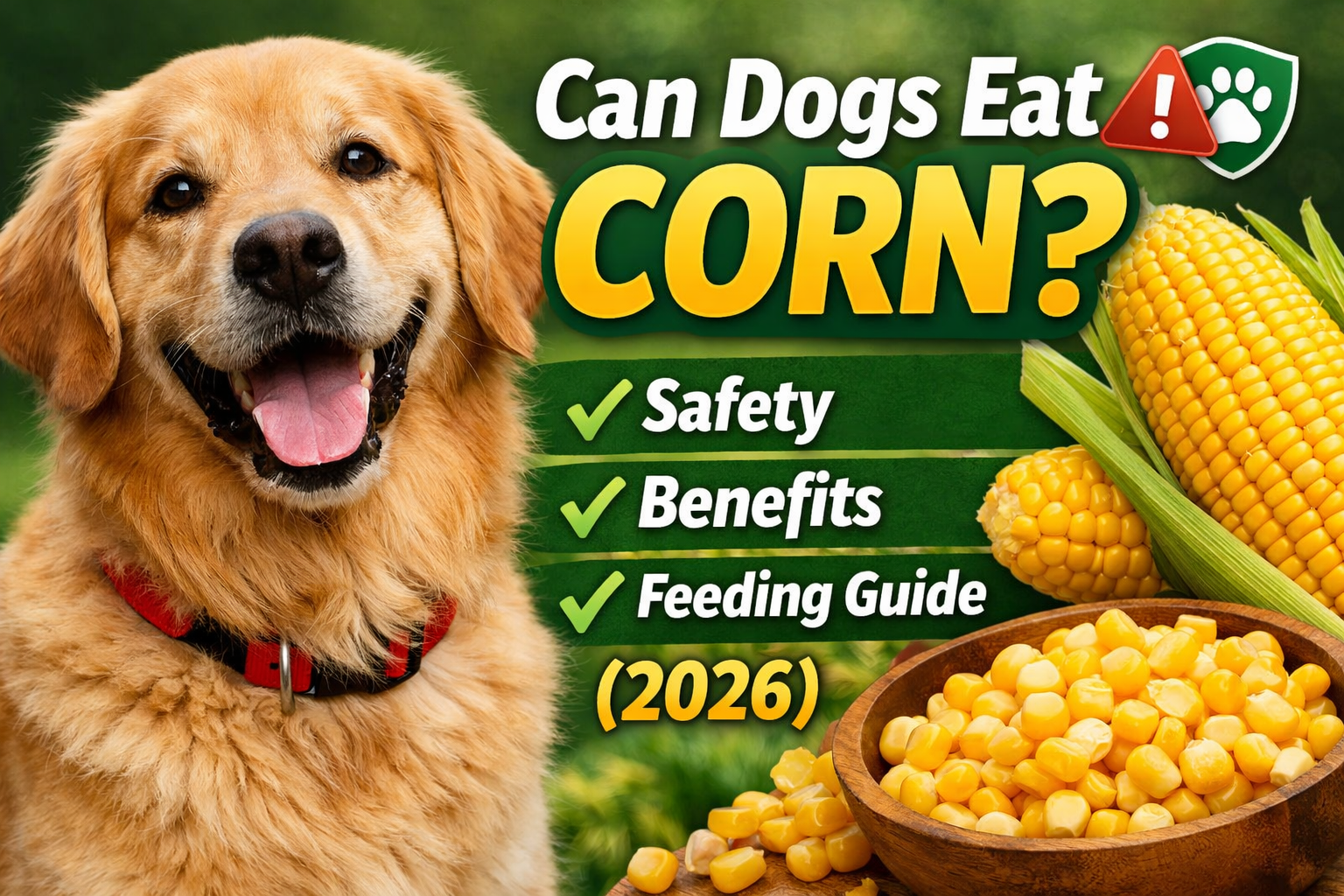
If you’ve ever dropped a few kernels while cooking or watched your dog stare at your plate during a barbecue, you’ve probably wondered: can dog eat corn safely?
Corn is everywhere — in dog food, snacks, and even backyard cookouts. Some pet owners believe it’s a cheap filler with no nutritional value. Others think it’s completely harmless. So find out what the truth is with Pets Vines?
In this expert-backed guide, you’ll learn:
-
Whether corn is safe for dogs
-
The nutritional benefits and risks
-
How to serve it properly
-
When to avoid it
-
What vets and major pet health organizations say
Let’s break it down clearly and responsibly.
Understanding Corn as a Dog Food Ingredient
Is Corn Safe for Dogs?
Corn is completely safe for dogs when prepared correctly and fed in appropriate amounts. Both raw and cooked corn kernels are non-toxic to canines, though cooked corn is easier for dogs to digest. Many commercial dog foods include corn as a primary ingredient because it provides valuable nutrition at an affordable price point.
The controversy surrounding corn in dog food often stems from misconceptions. Critics label corn as a “filler” ingredient with no nutritional value, but veterinary nutritionists disagree with this characterization. Ground corn in commercial dog foods delivers digestible carbohydrates, protein, essential fatty acids, and vitamins that support canine health.
The Corn Cob Danger: What Every Dog Owner Must Know
While corn kernels are safe, corn cobs are extremely dangerous for dogs. Corncobs cannot be digested and frequently cause life-threatening intestinal blockages, particularly in small and medium-sized dogs. Even large dogs can suffer complications from swallowing corn cob pieces.
Emergency veterinary visits for corn cob ingestion are surprisingly common during summer months. According to veterinary emergency data, corn cob blockages often require surgical intervention to remove, with costs ranging from $2,000 to $7,000 depending on severity and complications.
Warning signs your dog ate a corn cob:
- Repeated vomiting
- Loss of appetite or refusal to eat
- Lethargy and reduced activity levels
- Abdominal pain or bloating
- Diarrhea or constipation
- Dehydration
If you suspect your dog swallowed a corn cob or any portion of it, contact your veterinarian or emergency animal hospital immediately. Time is critical—waiting can allow the blockage to worsen, potentially causing tissue death or intestinal perforation.
Nutritional Benefits: Why Corn Can Be Good for Dogs
What Nutrients Does Corn Provide?
Corn offers several beneficial nutrients that support various aspects of canine health:
Protein and Essential Fatty Acids: Corn contains moderate plant-based protein and linoleic acid, an omega-6 fatty acid that promotes healthy skin and a shiny coat. While not a complete protein source on its own, corn contributes to overall protein intake when combined with meat-based proteins in a balanced diet.
Digestible Carbohydrates: As an energy-dense carbohydrate source, corn provides readily available fuel for active dogs. The carbohydrates in properly ground corn are highly digestible, with studies showing digestibility rates exceeding 90% in healthy dogs.
Dietary Fiber: Corn contains both soluble and insoluble fiber that supports digestive health, promotes regular bowel movements, and can help dogs feel satisfied after meals. Fiber also feeds beneficial gut bacteria, supporting overall gastrointestinal wellness.
Vitamin Content: Corn provides meaningful amounts of B vitamins (including thiamine, niacin, and folate), vitamin E, and vitamin K. These vitamins support energy metabolism, immune function, blood clotting, and antioxidant protection.
Essential Minerals: Important minerals in corn include magnesium, phosphorus, and potassium, which play vital roles in muscle function, bone health, nerve transmission, and electrolyte balance.
Antioxidant Compounds: Corn contains beneficial antioxidants including lutein and zeaxanthin, which may support eye health and protect cells from oxidative damage. Yellow corn varieties are particularly rich in these carotenoid antioxidants.
Does Corn Belong in Dog Food?
The debate over corn in commercial dog food continues among pet owners, but veterinary nutritionists generally support its inclusion. Organizations like the American College of Veterinary Nutrition acknowledge that corn provides valuable nutrition and is not simply a “filler” ingredient.
The key distinction is how corn is processed. In quality dog foods, corn is finely ground into corn meal or corn gluten meal, making nutrients highly accessible during digestion. This differs dramatically from whole corn kernels, which dogs may not fully digest due to the tough outer hull.
Potential Risks and Concerns When Feeding Corn to Dogs
Can Dogs Be Allergic to Corn?
True corn allergies in dogs are relatively uncommon. According to veterinary dermatology research, the most frequent food allergens for dogs are animal proteins like beef, dairy, chicken, and lamb—not grains or carbohydrates. When food sensitivities do occur with corn, they typically manifest as:
- Itchy skin, particularly around the face, paws, and ears
- Chronic ear infections
- Digestive upset including diarrhea or vomiting
- Red, inflamed skin or hot spots
If you notice these symptoms after introducing corn to your dog’s diet, discontinue feeding it and consult your veterinarian. They may recommend an elimination diet to identify the specific trigger.
Digestive Issues from Too Much Corn
While small amounts of corn are generally well-tolerated, overfeeding can cause digestive problems:
Gas and Bloating: Corn’s carbohydrate and fiber content can produce excess gas in some dogs, especially when introduced suddenly or fed in large quantities. This is typically uncomfortable rather than dangerous, though severe bloating always warrants veterinary attention.
Diarrhea: Sudden dietary changes or excessive corn consumption may cause loose stools or diarrhea. Always introduce new foods gradually, starting with tiny amounts and slowly increasing over several days.
Undigested Kernels in Stool: If you notice whole corn kernels in your dog’s feces, this is normal when feeding whole kernels. The outer hull of corn kernels resists digestion, though the nutritious interior is still absorbed. This doesn’t indicate a problem unless accompanied by other digestive symptoms.
Weight Gain and Calorie Considerations
Corn is relatively calorie-dense due to its carbohydrate content. One cup of cooked corn kernels contains approximately 140 calories—a significant amount for small dogs. Regular overfeeding of corn and other treats can contribute to obesity, which affects more than 50% of dogs in developed countries according to veterinary studies.
Obesity in dogs increases risks for diabetes, joint disease, heart problems, and shortened lifespan. To prevent weight gain, ensure all treats (including corn) represent no more than 10% of your dog’s daily caloric intake, with the remaining 90% coming from nutritionally complete dog food.
How to Safely Feed Corn to Your Dog: Expert Guidelines
Preparation Methods
Cooked Corn (Recommended): Steaming or boiling corn makes it easier for dogs to digest and reduces choking risk. Cook corn completely plain—no butter, salt, oil, or seasonings. After cooking, always cut kernels off the cob before serving.
Raw Corn: While not toxic, raw corn is harder for dogs to digest than cooked corn. Raw kernels are firmer and more likely to pass through undigested. If offering raw corn, chop or mash kernels slightly to aid digestion.
Frozen Corn: Plain frozen corn kernels can make an excellent crunchy treat, especially appreciated on hot days. Ensure kernels are fully thawed if your dog has sensitive teeth, or offer frozen for added enrichment.
Canned Corn: Avoid most canned corn products, as they typically contain added salt and preservatives. If using canned corn, choose “no salt added” varieties and rinse thoroughly before serving.
Serving Sizes by Dog Weight
Appropriate corn portions depend on your dog’s size. These guidelines assume corn as an occasional treat (2-3 times weekly maximum):
Extra-Small Dogs (2-10 lbs): 1-2 teaspoons of corn kernels Small Dogs (11-20 lbs): 1 tablespoon Medium Dogs (21-50 lbs): 1-2 tablespoons Large Dogs (51-90 lbs): 2-3 tablespoons Extra-Large Dogs (91+ lbs): ¼ cup (approximately 4 tablespoons)
Remember, these amounts should be counted toward the 10% treat allowance in your dog’s daily calorie budget. Adjust regular meals accordingly on days you offer corn or other treats.
What to Avoid: Dangerous Corn Products
Corn on the Cob: Never allow your dog access to corn cobs. Always cut kernels completely off the cob before offering to your dog. Dispose of cobs in secure garbage containers your dog cannot access.
Buttered or Seasoned Corn: Butter’s high fat content can trigger pancreatitis in dogs, a serious and potentially fatal inflammation of the pancreas. Salt can cause sodium ion poisoning in excessive amounts. Seasonings often contain garlic or onion powder, both toxic to dogs.
Corn Cooked with Onions or Garlic: These members of the allium family are toxic to dogs, causing damage to red blood cells that can lead to anemia. Never feed corn that has been prepared with onions, garlic, chives, or leeks.
Corn Chips and Tortilla Chips: These processed snacks contain excessive salt, artificial flavors, and unhealthy fats. They offer no nutritional benefit and can cause digestive upset or more serious health issues.
Kettle Corn and Caramel Corn: The high sugar content can contribute to obesity, dental problems, and potentially trigger pancreatitis. Many varieties also contain artificial sweeteners like xylitol, which is extremely toxic to dogs even in small amounts.
Corn Husks: While not toxic, corn husks are difficult to digest and can cause intestinal blockages similar to corn cobs, particularly in smaller dogs.
Creative Ways to Serve Corn to Your Dog
Simple Serving Ideas
Meal Topper: Sprinkle a small amount of plain cooked corn kernels over your dog’s regular kibble or wet food for added variety and nutrition.
Training Treats: Individual corn kernels work well as low-calorie training rewards for small dogs learning new commands.
Frozen Enrichment: Combine corn kernels with low-sodium broth and freeze in ice cube trays for a refreshing summer treat.
Interactive Feeding Methods
Kong Toy Stuffing: Mix cooked corn with dog-safe ingredients like plain canned pumpkin, unsweetened applesauce, or xylitol-free peanut butter. Stuff the mixture into a Kong toy and freeze for hours of entertainment.
Lick Mat Activities: Spread a mixture of mashed corn and plain Greek yogurt on a silicone lick mat. This slow-feeding method provides mental stimulation while promoting calm behavior.
Puzzle Feeder Games: Hide individual corn kernels in puzzle toys or snuffle mats to encourage natural foraging behaviors and provide cognitive enrichment.
Homemade Treat Recipes: Use corn as an ingredient in vet-approved homemade dog treat recipes. Combine corn with dog-safe ingredients like oat flour, eggs, and pureed sweet potato, then bake into bite-sized cookies.
Special Considerations for Puppies
Can Puppies Eat Corn?
Puppies can safely eat small amounts of corn once they’re eating solid food, typically around 8 weeks of age. However, puppies have sensitive digestive systems and specific nutritional needs for growth, so approach corn feeding cautiously.
Introduction Guidelines: Start with just 2-3 corn kernels and monitor for 24-48 hours for any signs of digestive upset. If tolerated well, you can gradually increase the amount according to puppy size guidelines.
Nutritional Considerations: Puppies require higher protein and fat ratios than adult dogs to support rapid growth. Ensure corn treats don’t displace essential nutrients from high-quality puppy food formulated for developmental needs.
Choking Prevention: Puppies may be more prone to choking than adult dogs. Always supervise closely, ensure corn is properly prepared, and cut kernels into smaller pieces if needed for tiny breeds.
FAQs
1. Can Dogs Eat Popcorn?
Plain, air-popped popcorn is safe for dogs in moderation. Popcorn provides fiber and is low in calories when prepared without butter, oil, or salt. However, avoid:
- Microwave popcorn (contains butter, salt, and artificial flavors)
- Buttered popcorn from movie theaters
- Kettle corn or caramel popcorn (high sugar content)
- Un-popped or partially popped kernels (choking hazard and can crack teeth)
2. Can Dogs Eat Corn Tortillas?
Corn tortillas aren’t toxic but aren’t recommended as regular treats due to high sodium content and minimal nutritional value. A small piece occasionally won’t harm most dogs, but better treat options exist.
3. Can Dogs Eat Sweet Corn?
Yes, sweet corn is safe for dogs when properly prepared. Sweet corn is actually the type most commonly fed to dogs, as it’s the tender variety picked before full maturity. The same safety rules apply: cook it plain, remove all kernels from the cob, and serve in appropriate portions.
4. Can Dogs Eat Creamed Corn?
Avoid creamed corn products. They typically contain butter, cream, salt, sugar, and sometimes onion or garlic powder—all problematic for dogs. The high fat and sodium content can cause digestive upset or more serious health issues.
5. Can Dogs Eat Corn Starch?
Small amounts of corn starch aren’t toxic but offer no nutritional benefit. Corn starch is a refined carbohydrate with the fiber, vitamins, and minerals removed. It’s sometimes used as a binder in commercial dog treats but shouldn’t be fed deliberately.