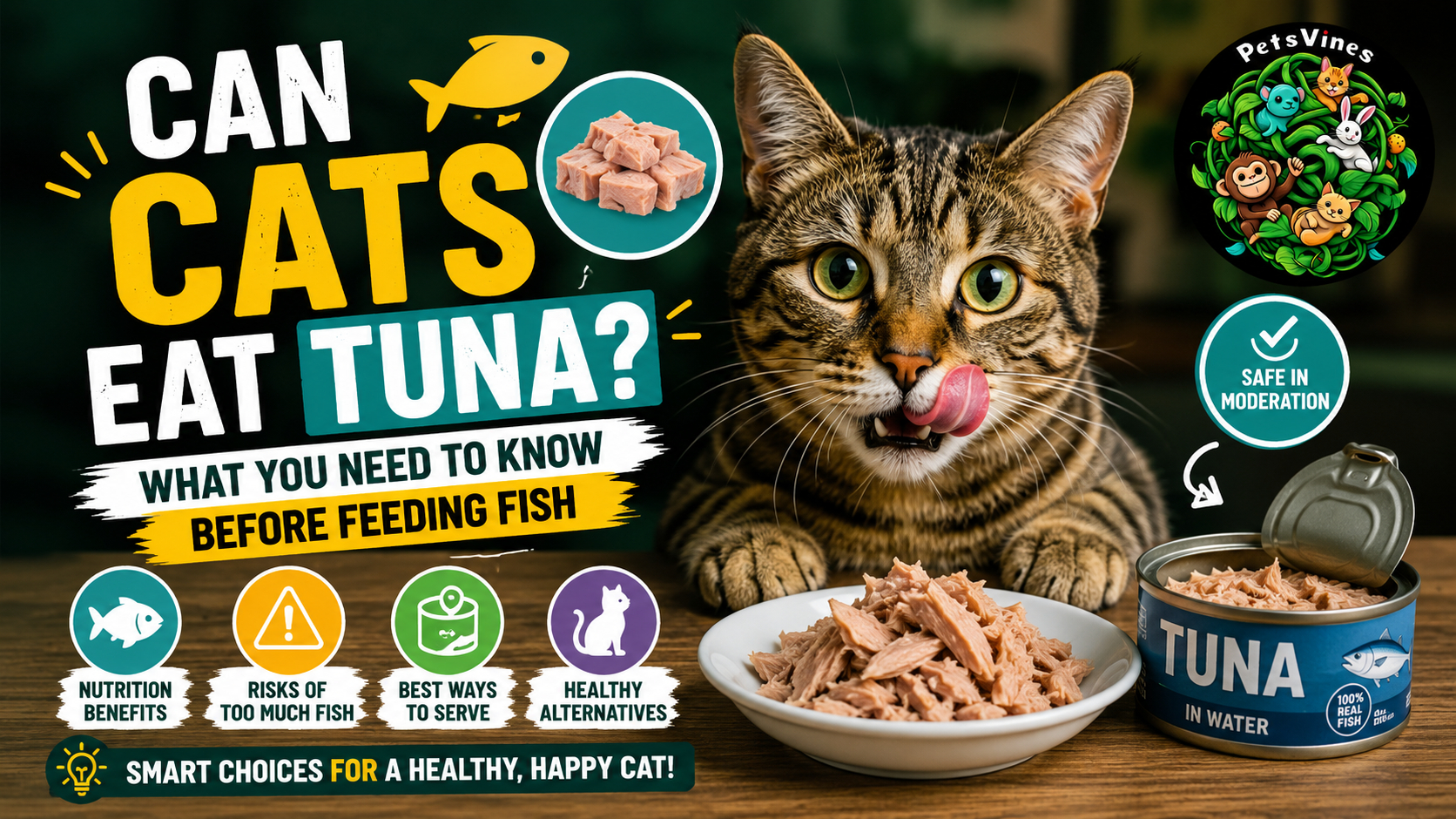
The image of a cat happily eating tuna is one of the most enduring in popular culture. Tuna-flavored treats, cat food varieties, and endless cartoons have reinforced the idea that tuna is the quintessential cat food. The reality is considerably more complicated and worth understanding before you start sharing your lunch with your cat.
Tuna is not toxic to cats in small amounts. It is, however, potentially harmful when fed regularly, and the specific risks are significant enough that most veterinary nutritionists recommend treating human-grade tuna as an occasional reward rather than a dietary staple.
Why Cats Love Tuna So Much
Cats are extraordinarily sensitive to smell, and tuna produces an intensely aromatic compound called histidine that triggers a strong olfactory response. Tuna is also naturally high in protein and has a rich, fatty flavor profile that aligns with what an obligate carnivore finds appealing. This powerful appeal is part of what makes tuna problematic: cats can become so fixated on it that they begin refusing their regular, nutritionally complete food, leading to nutritional deficiency over time.
The Mercury Problem
Tuna is a large, long-lived predatory fish that sits near the top of the ocean food chain. Through a process called biomagnification, mercury accumulates in progressively higher concentrations at each level of the food chain. By the time mercury reaches tuna, the concentration is exponentially higher than in the surrounding water.
According to FDA testing data cited by Biology Insights, canned albacore (white) tuna averages 0.350 parts per million of mercury, while skipjack tuna, typically labeled as “chunk light,” averages 0.144 parts per million. Albacore is roughly two and a half times higher in mercury.
Cats are small animals. A 10-pound cat eating the same amount of tuna as a 150-pound human is ingesting approximately 15 times the relative dose. Cats also lack some of the metabolic pathways that help humans excrete mercury efficiently. Chronic mercury toxicity in cats causes progressively worsening neurological symptoms including hindleg rigidity, unsteady gait, muscle weakness, tremors, and in severe cases, seizures and blindness.
Steatitis: The Vitamin E Risk
Tuna, particularly in oil, is extremely high in polyunsaturated fatty acids. When a cat consumes large quantities of these fats without adequate vitamin E to counteract them, the fat stored in their body becomes inflamed. This condition is called steatitis, or yellow fat disease. Research published in The Journal of Nutrition confirmed the direct relationship: cats fed diets containing tuna oil without sufficient vitamin E developed steatitis. Cats with this condition become reluctant to move, are sensitive to touch, and often stop eating entirely.
Raw Tuna: Never Feed It
Raw tuna contains thiaminase, an enzyme that destroys thiamine (vitamin B1), which is essential for neurological function in cats. Raw fish also carries parasites including Anisakis larvae and bacteria including Salmonella. According to the ASPCA, raw fish should not be fed to cats. Cooking destroys thiaminase and kills most pathogens, though it does not reduce mercury levels.
Human Tuna vs Cat Food Tuna: A Critical Difference
The rules and risks in this article apply specifically to human-grade canned tuna. Commercial cat food labeled as “tuna feast” is a completely different product. Cat food containing tuna is formulated to be nutritionally complete for cats, supplemented with taurine, vitamin E, thiamine, and other essential nutrients, and tested for heavy metal levels. According to PetMD, there have been no documented cases of mercury toxicity in cats eating only commercially made cat food, including tuna-flavored varieties.
Safe Serving Guidelines for Human-Grade Tuna
| Cat | Safe? | Safe Amount | Frequency |
|---|---|---|---|
| Healthy adult cat | Yes, occasionally | 1 teaspoon plain canned tuna in water | Once or twice per week maximum |
| Kitten under 12 months | No | Not recommended | Never |
| Senior cat | With caution | Half teaspoon maximum | Once per week maximum |
| Cat with kidney disease | Avoid | High phosphorus and sodium content | Not recommended |
| Cat addicted to tuna | No | Stop completely | Eliminate from diet |
When you do offer tuna as an occasional treat: choose canned tuna in water rather than oil. Choose chunk light (skipjack) over albacore when possible. Plain only with no salt, seasonings, brine, or added flavors. Never offer raw tuna in any form. Count the calories toward your cat’s daily intake.
Safer Fish Alternatives
If you want to offer your cat fish as an occasional treat without mercury concerns, smaller fish species are significantly safer. Sardines in water (plain, no salt), cooked salmon in small amounts, and cooked whitefish are lower in mercury and still rich in protein and omega-3 fatty acids that benefit coat and skin health.
FAQs
Can cats eat tuna?
Yes, but only in small amounts as an occasional treat. Plain canned tuna in water is safe for healthy adult cats at no more than one teaspoon once or twice per week. Tuna should never be a primary food source due to risks of mercury accumulation, vitamin E deficiency, nutritional imbalance, and tuna addiction where cats begin refusing their regular complete food.
Why is tuna bad for cats in large amounts?
Regular tuna feeding carries four distinct risks: mercury accumulation from tuna’s position near the top of the ocean food chain, steatitis caused by excess polyunsaturated fats without adequate vitamin E, nutritional imbalances because tuna alone is not a complete diet for cats, and tuna addiction where cats fixate on tuna and refuse their nutritionally complete regular food.
Which canned tuna is safer for cats, albacore or chunk light?
Chunk light tuna, typically made from skipjack, is significantly safer. FDA testing data shows albacore averages 0.350 parts per million of mercury compared to 0.144 parts per million in skipjack, making albacore roughly two and a half times higher in mercury. When offering tuna as an occasional treat, always choose chunk light in water over albacore.
Why are cats more vulnerable to mercury in tuna than humans?
Cats are small animals and lack some of the metabolic pathways that help humans excrete mercury efficiently. A 10-pound cat eating the same amount of tuna as a 150-pound human ingests approximately 15 times the relative dose. Chronic mercury toxicity in cats causes progressive neurological symptoms including unsteady gait, muscle weakness, tremors, hindleg rigidity, and in severe cases seizures and blindness.
What is steatitis and how does tuna cause it in cats?
Steatitis, also called yellow fat disease, occurs when a cat consumes large quantities of polyunsaturated fatty acids without sufficient vitamin E to counteract them, causing stored body fat to become inflamed. Tuna, particularly in oil, is extremely high in these fats. Research published in The Journal of Nutrition confirmed that cats fed diets containing tuna oil without adequate vitamin E developed steatitis, causing reluctance to move, sensitivity to touch, and loss of appetite.
Can cats eat raw tuna?
No. Raw tuna contains thiaminase, an enzyme that destroys thiamine (vitamin B1), which is essential for neurological function in cats. Raw tuna also carries parasites including Anisakis larvae and bacteria including Salmonella. The ASPCA advises against feeding raw fish to cats. Cooking destroys thiaminase and kills most pathogens, though it does not reduce mercury levels.
Is tuna-flavored cat food safe?
Yes, commercial tuna-flavored cat food is completely different from human-grade canned tuna. It is formulated to be nutritionally complete for cats, supplemented with taurine, vitamin E, and thiamine, and tested for heavy metal levels. According to PetMD, there are no documented cases of mercury toxicity in cats eating only commercially made cat food, including tuna-flavored varieties.
Can I give my cat tuna juice from the can?
Small amounts of tuna juice from a can of tuna in water, not oil, can occasionally be used to encourage a sick or low-appetite cat to drink or eat. Veterinarians sometimes recommend this specific use. It should not be used regularly, and oil-packed tuna juice should never be offered due to its high polyunsaturated fat content.
Should kittens eat tuna?
No. Kittens under 12 months should not be given human-grade tuna at all. Their smaller body size increases vulnerability to mercury, and their developing neurological system and organs are more susceptible to the nutritional imbalances tuna can cause. Kittens need food specifically formulated to meet AAFCO growth standards.
What are safer fish alternatives to tuna for cats?
Smaller fish species carry significantly lower mercury risk than tuna. Plain sardines in water with no added salt, small amounts of cooked salmon, and cooked whitefish are all safer options that still provide protein and omega-3 fatty acids beneficial for coat and skin health. These should still be treated as occasional supplements rather than dietary staples.
For a broader guide to what cats can and cannot eat safely, explore the PetsVines Cat Care hub.
Also Visit: How Much Should I Feed My Cat? Complete Feeding Guide by Weight