vaccination is an essential preventive health measure that helps protect your dog from several life-threatening diseases. Vaccines work by stimulating the immune system to create antibodies, which are critical in defending the body from specific pathogens like viruses and bacteria. For dogs, these vaccines prevent conditions like rabies, parvovirus, and canine distemper, all of which can have fatal consequences if left untreated.
However, one of the common concerns pet owners face is how vaccines affect their dog’s behavior. After a vaccination, it’s natural to wonder, “Can vaccines cause changes in a dog’s behavior?” In this article, we’ll explore this question in depth, covering all aspects related to post-vaccination behavior changes in dogs.
Why Vaccinations Are Necessary for Dogs
Vaccines aren’t just about protecting your dog; they help prevent the spread of dangerous diseases to other animals and even humans (as in the case of rabies). Diseases like parvovirus can spread rapidly among dogs, and vaccination provides herd immunity, reducing the chances of widespread outbreaks. Without vaccines, puppies and adult dogs alike are vulnerable to potentially deadly diseases.
Common Diseases Prevented by Vaccines:
- Rabies: A fatal viral infection that affects the brain and spinal cord of dogs.
- Parvovirus: A highly contagious virus causing severe gastrointestinal distress.
- Canine Distemper: A dangerous virus that attacks the respiratory, gastrointestinal, and nervous systems.
Regular vaccinations help keep your dog healthy and can save their life, but many pet owners ask, “Do vaccines affect dog behavior?” Let’s dive into the behavioral changes you might see after vaccination.
Do Vaccines Affect Behavior?
Can Vaccines Cause Behavior Changes in Dogs?
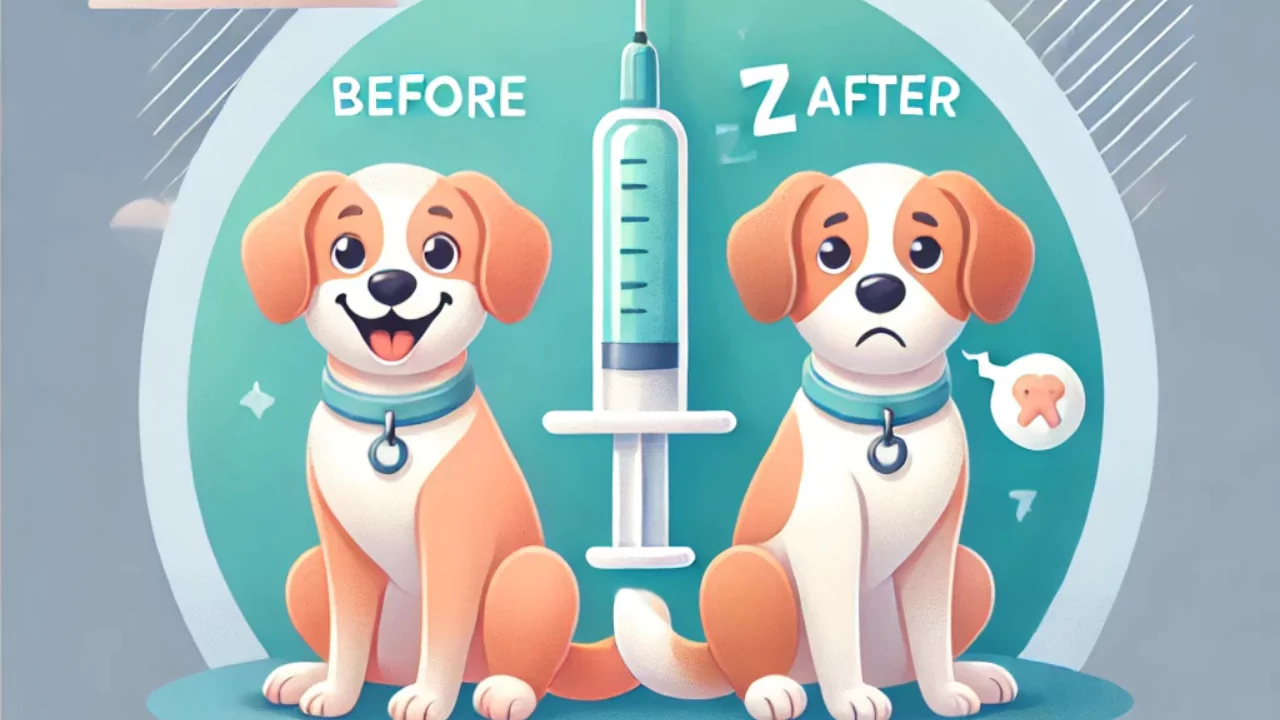
Yes, it is possible for vaccines to temporarily alter a dog’s behavior. Most of the time, these changes are mild and short-lived. Vaccines trigger an immune response, and just like in humans, this can cause mild discomfort, tiredness, or mood changes in dogs.
Behavior changes after vaccination are usually temporary and related to the dog’s immune response to the vaccine. In rare cases, dogs might experience more serious reactions that require attention. In this article, we’ll guide you through understanding what’s normal and when to consult a vet.
Common Dog Behaviors After Vaccination
Normal Behavior Changes
- Slight Lethargy or Tiredness
After a vaccine, it’s common for dogs to be more tired than usual. Their immune system is working hard, and they may need extra rest. This might last for 24 to 48 hours. - Mild Soreness at the Injection Site
The injection site might be sore, and you may notice your dog licking the area, avoiding being touched, or being generally sensitive. This is normal and should subside within a day or two. - Reduced Appetite
Some dogs might skip a meal or two after vaccination. This is usually not a cause for concern unless it lasts longer than 48 hours. - Increased Sleepiness or Rest
Extra sleep is common as the body processes the vaccine. If your dog seems to be taking more naps, it’s likely just their body’s way of recovering.
Behavioral Changes to Watch For
- Discomfort or Anxiety
Some dogs may seem more anxious after vaccination. They may pace, whine, or look uneasy. This is typically due to mild discomfort or the stress of the veterinary visit itself. - Vocalization
Your dog may whine or bark more than usual if they’re feeling discomfort. This behavior is often short-lived and should return to normal as they recover. - Shaking or Trembling
Shaking can sometimes occur as a mild reaction to the vaccine. While it’s often not serious, if it persists, consult your vet.
How Long Do These Behavior Changes Last?
Temporary Nature
For most dogs, behavior changes post-vaccine are short-term and resolve within 24 to 48 hours. During this time, it’s normal for your dog to rest more, eat less, and be slightly irritable. As long as your dog returns to their usual behavior within a couple of days, there’s typically no cause for alarm.
When Should You Be Concerned?
There are some signs that warrant a call to your vet. If your dog exhibits the following beyond 48 hours, it’s a good idea to seek professional advice:
- Prolonged lethargy or fatigue
- Continuous whining or signs of pain
- Refusal to eat or drink
- Hiding, trembling, or fearfulness
- Persistent vomiting or diarrhea
Remember: While mild symptoms are normal, prolonged or severe symptoms may indicate an adverse reaction that requires attention.
Why Do Dogs Behave Differently After Vaccination?
How Vaccines Work
Vaccines introduce a small, harmless piece of the virus or bacteria (or a synthetic version) into the dog’s body. This triggers the immune system to respond, creating memory cells that will recognize and fight the disease if your dog is exposed in the future.
Immune Response and Its Effects
- Inflammation and Fever
Sometimes the immune system responds with inflammation or a slight fever, which can make your dog feel tired and irritable. - Pain at the Injection Site
Just like humans, dogs may experience soreness at the injection site, leading them to avoid movement or be more sensitive to touch in that area.
Emotional Impact of Veterinary Visits
Dogs can also associate veterinary visits with discomfort. The stress of visiting the vet, combined with the physical effects of the vaccine, can lead to anxiety or behavioral changes. This fear may carry over after the visit, making dogs act more skittish or fearful at home.
Fear or Anxiety
In some cases, dogs may associate the vet visit with pain or discomfort. They might become fearful, hide, or show signs of anxiety after the vaccination. This emotional reaction is usually temporary but can be distressing for both the dog and the owner.
How to Help Your Dog Feel Comfortable After Vaccination
Provide a Comfortable Space
Make sure your dog has a quiet and comfortable place to rest after the vaccine. Let them take naps without interruptions.
Monitor Their Behavior
Keep an eye on their eating, drinking, and bathroom habits. Ensure they’re drinking water and not exhibiting unusual symptoms like vomiting or diarrhea.
Offer Gentle Support
If your dog is feeling sore or tired, handle them gently. Avoid any rough play or strenuous activities for the next couple of days.
When to Call Your Vet
If your dog shows prolonged signs of discomfort, such as refusing to eat, shaking, or showing signs of extreme fatigue beyond 48 hours, it’s time to contact your vet.
Potential Long-Term Behavioral Changes
Are Long-Term Changes Possible?
In very rare cases, some dogs may exhibit long-term behavior changes after vaccination, but this is uncommon. Long-term changes could occur if your dog had a severe reaction to the vaccine, or they may develop a negative association with the vet visit, leading to increased anxiety during future visits.
Behavioral vs. Physical Side Effects
It’s important to distinguish between behavioral changes and physical side effects. While physical discomfort, such as soreness or fever, may cause your dog to act differently, these aren’t true behavior changes. Behavioral changes, like increased anxiety or aggression, could be linked to the stress of the visit itself.
Conclusion: Summarize Key Points
Vaccinations are a crucial part of keeping your dog healthy and protecting them from serious diseases. While mild behavior changes are common after vaccination, they are typically temporary and nothing to worry about. Keeping an eye on your dog’s behavior and offering gentle care will help them recover quickly.
Final Tips for Pet Owners:
- Always monitor your dog after vaccinations.
- Contact your vet if symptoms persist longer than 48 hours.
- Remember that vaccines are essential to keeping your dog healthy in the long run.
If you have any concerns about your dog’s behavior after vaccination, don’t hesitate to reach out to your vet. They can provide expert guidance and reassurance. For more information on caring for your pet, explore our other resources on Pets Vines. Keep your furry friend happy and healthy by staying informed about their health!
[faq-schema id=”211″]