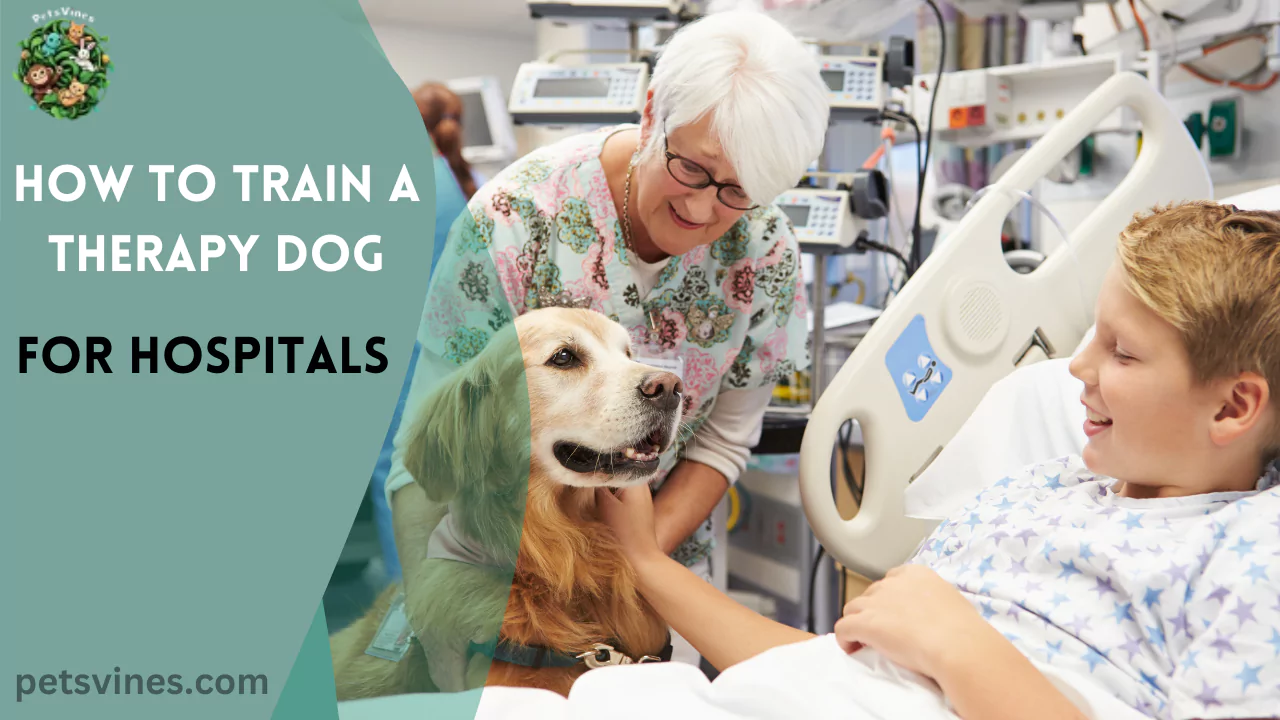
A therapy dog is trained to provide affection and comfort to people in hospitals, nursing homes, schools, and other facilities. Unlike service dogs, who are trained to assist individuals with disabilities, therapy dogs offer emotional support to a broad group of people. They are particularly valuable in healthcare settings, where their presence can help reduce stress and provide emotional relief to patients and staff alike.
While therapy dogs don’t have the same legal access rights as service dogs, they still need to be highly trained to meet the unique demands of hospital environments. Their temperament, sociability, and calm nature are crucial traits that make them suitable for such work.
UCHealth Memorial Hospital highlights the role of therapy dogs in hospitals. Patients who interact with therapy dogs report decreased pain, reduced stress, improved mood, and an overall better hospital experience. Therapy dogs are trained to respond calmly to touch, making them especially helpful in emotionally charged environments like hospitals. A growing number of hospitals are embracing therapy dogs to help patients recover faster from illnesses like heart disease and mental health disorders.
Why Train a Therapy Dog for Hospitals?
The benefits of therapy dogs in hospitals are numerous. Research shows that therapy dogs help reduce anxiety, improve mood, and even assist in lowering blood pressure in patients. Hospital staff also benefit from the stress relief therapy dogs provide during long shifts. According to a study published in the Journal of Clinical Psychology, patients exposed to therapy dogs experienced decreased stress and quicker recovery times.
With an increasing demand for therapy dogs in healthcare settings, more pet owners are interested in training their dogs for this purpose. Therapy dogs not only brighten the days of hospital patients but also make a significant difference in their overall emotional well-being.
Johns Hopkins University researchers have found that therapy dogs can have a profound psychological effect on ICU patients. These non-pharmacological interventions have been shown to decrease anxiety, depression, and the risk of post-traumatic stress disorder (PTSD). Therapy dogs also encourage patients to become more engaged in their recovery by fostering interaction and reducing feelings of isolation.
Who Can Train a Therapy Dog?
Can anyone train a therapy dog? Yes! You don’t need to be a professional dog trainer to get started, but you do need dedication and a good understanding of your dog’s temperament. Any well-behaved dog with the right qualities can potentially become a therapy dog. There are, however, certifications and qualifications needed to ensure your dog meets hospital standards. Organizations like the American Kennel Club (AKC) offer the Canine Good Citizen (CGC) certification, which is often a prerequisite for therapy dog programs.
What Makes a Good Therapy Dog for Hospitals?

Before embarking on therapy dog training, it’s essential to assess if your dog has the right temperament. A good therapy dog must exhibit the following traits:
- Calm demeanor: Hospitals can be busy, and a calm dog will be less likely to become stressed.
- Sociability: Your dog must enjoy interacting with various people and handle strangers gently.
- Patience: In hospital settings, therapy dogs need to stay in one place or with one person for extended periods.
- Adaptability: Your dog should be comfortable in different environments, around loud noises, medical equipment, and even hospital smells.
Best Dog Breeds for Therapy Work
While any dog breed can become a therapy dog, certain breeds are naturally better suited for the job due to their temperament. Popular breeds for therapy work include:
- Golden Retrievers: Known for their calm and friendly nature.
- Labrador Retrievers: Intelligent and easy to train.
- Poodles: Hypoallergenic and highly social.
- Cavalier King Charles Spaniel: Small and gentle, perfect for bed visits.
How to Assess if Your Dog is Suitable for Therapy Work
To determine whether your dog is a good fit for therapy work, consider their:
- Temperament: Are they calm around strangers?
- Behavior: Do they follow commands consistently?
- Emotional intelligence: Can they sense when someone is distressed or in need of comfort?
You can also perform simple tests at home, such as exposing your dog to new environments, different sounds, and varying levels of activity to see how they respond.
Preparing Your Dog for Therapy Training
Basic Obedience Training
Basic commands are the foundation of all dog training, but they are especially crucial for therapy dogs in hospitals. Ensure your dog masters essential commands such as:
- Sit
- Stay
- Come
- Down
- Heel
Off-leash control is also important because your dog must be able to respond to commands without being tethered in certain situations.
Socialization: Key to Success
To thrive in a hospital environment, your dog must be F. Socializing your dog with different people, environments, and animals is key to their success. Gradually expose your dog to:
- Different types of people (children, elderly, medical staff).
- Hospital equipment like wheelchairs, walkers, and ventilators.
- Noisy environments such as busy hospital lobbies.
Desensitization to Hospital Environments
One of the most critical aspects of training is desensitization. Hospitals are filled with unfamiliar sights and sounds that can be overwhelming to a dog. Introduce your dog to:
- Medical equipment: Gradually familiarize your dog with wheelchairs, stretchers, and other hospital equipment.
- Smells: Hospitals have distinct smells, such as disinfectants, that your dog will need to get used to.
- Busy areas: Expose your dog to busier environments with lots of movement, so they become comfortable in such settings.
The Step-by-Step Process of Training a Therapy Dog
Step 1: Passing the Canine Good Citizen (CGC) Test
The CGC test is often the first step toward therapy dog certification. The test evaluates your dog’s ability to obey basic commands, remain calm, and interact positively with people and other dogs.
A study published in the National Institutes of Health shows the growing importance of therapy dogs in healthcare. Animal-assisted therapy is now recognized as a beneficial practice in patient care, particularly for reducing anxiety, fear, and depression among patients undergoing stressful treatments(UCHealth)
- Why is the CGC test important? It’s a foundation for further training and establishes that your dog can behave appropriately in public settings.
- How to prepare for the CGC test: Practice key commands in different environments, and ensure your dog is comfortable being handled by strangers.
Step 2: Enrolling in a Therapy Dog Training Program
Once your dog passes the CGC test, it’s time to enroll in a therapy dog training program. These programs offer specialized training to prepare your dog for hospital work. Notable organizations include:
- Pet Partners
- Therapy Dogs International
Both offer training programs and certifications to help your dog succeed as a therapy dog.
Step 3: Completing the Therapy Dog Evaluation
The next step is a formal evaluation to assess your dog’s ability to handle the hospital environment. During this process, evaluators will check how your dog interacts with patients and staff, handles distractions, and remains calm under pressure.
- Challenges your dog might face: Noise levels, sudden movements, or medical equipment may be stressful. Gradually introduce your dog to these challenges during training.
Step 4: Certification and Registration
After successfully passing the evaluation, you’ll need to register your dog as a certified therapy dog with an organization like Pet Partners or Therapy Dogs International. This certification allows you to volunteer in hospitals and other facilities.
How to Introduce Your Therapy Dog to Hospital Work
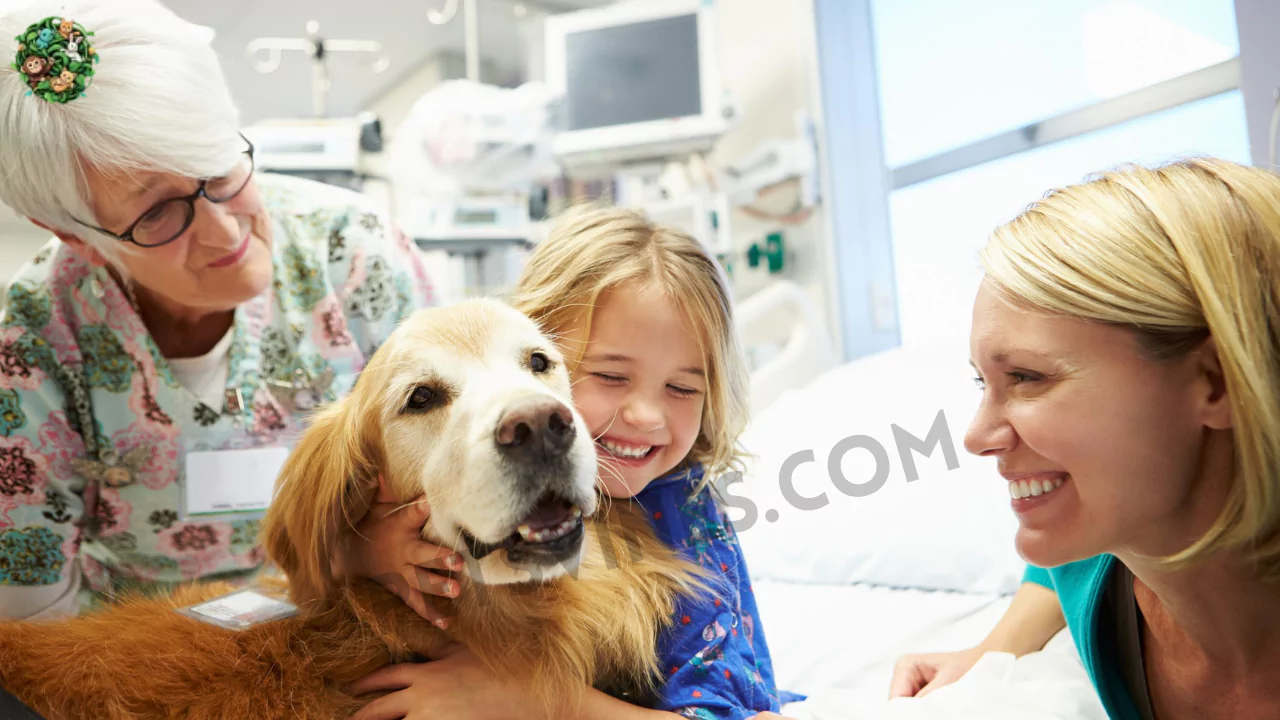
Before bringing your therapy dog to a hospital, you’ll need to:
- Obtain permission: Reach out to hospital administrators and inquire about their therapy dog program.
- Provide documentation: Be prepared to show proof of your dog’s certification, vaccination records, and liability insurance.
The First Visit: How to Make It a Success
Your dog’s first visit to a hospital is crucial. Follow these tips for a successful introduction:
- Keep the visit short and positive.
- Monitor your dog’s behavior and stress levels.
- Allow your dog to interact with patients under close supervision, and always follow hospital rules.
Maintaining Your Dog’s Health and Wellbeing
Regular Vet Check-ups
Maintaining your dog’s health is essential in hospital settings. Make sure your dog is up to date on vaccinations and receives regular check-ups.
- Required health certifications: Most hospitals will ask for proof of your dog’s health records, including vaccinations and flea/tick treatments.
Emotional Wellbeing: Preventing Burnout
Therapy work can be emotionally taxing for your dog. Watch for signs of stress, such as lethargy or withdrawal, and ensure your dog gets plenty of rest between visits.
Common Challenges and Solutions
What If My Dog Gets Nervous in Hospitals?
Some dogs may feel anxious in hospital environments. If this happens:
- Take it slow: Gradually expose your dog to the hospital environment in short bursts.
- Build confidence: Use positive reinforcement and create a calm environment for your dog.
How to Handle Rejection: What If My Dog Doesn’t Pass Certification?
Not all dogs pass the evaluation on the first try, and that’s okay. Consider enrolling your dog in additional training sessions to address specific issues.
FAQs
Q: How long does it take to train a therapy dog for hospitals?
A: It varies, but on average, it takes several months, depending on the dog’s age, temperament, and previous training.
Q: Can any dog become a therapy dog?
A: Many breeds can become therapy dogs, but the dog’s temperament and behavior are the most critical factors.
Q: How do I find therapy dog programs in my area?
A: Check with national therapy dog organizations like Pet Partners or Therapy Dogs International.
Conclusion
Training a therapy dog for hospitals is a rewarding and fulfilling journey. The comfort and emotional support these dogs bring to patients and staff is priceless. While the process requires patience, the outcome is incredibly rewarding. If you’re ready to start the training process, remember that PetsVines offers a variety of services and products to help guide you along the way. Visit our website for more information on how you can make a difference with your therapy dog!