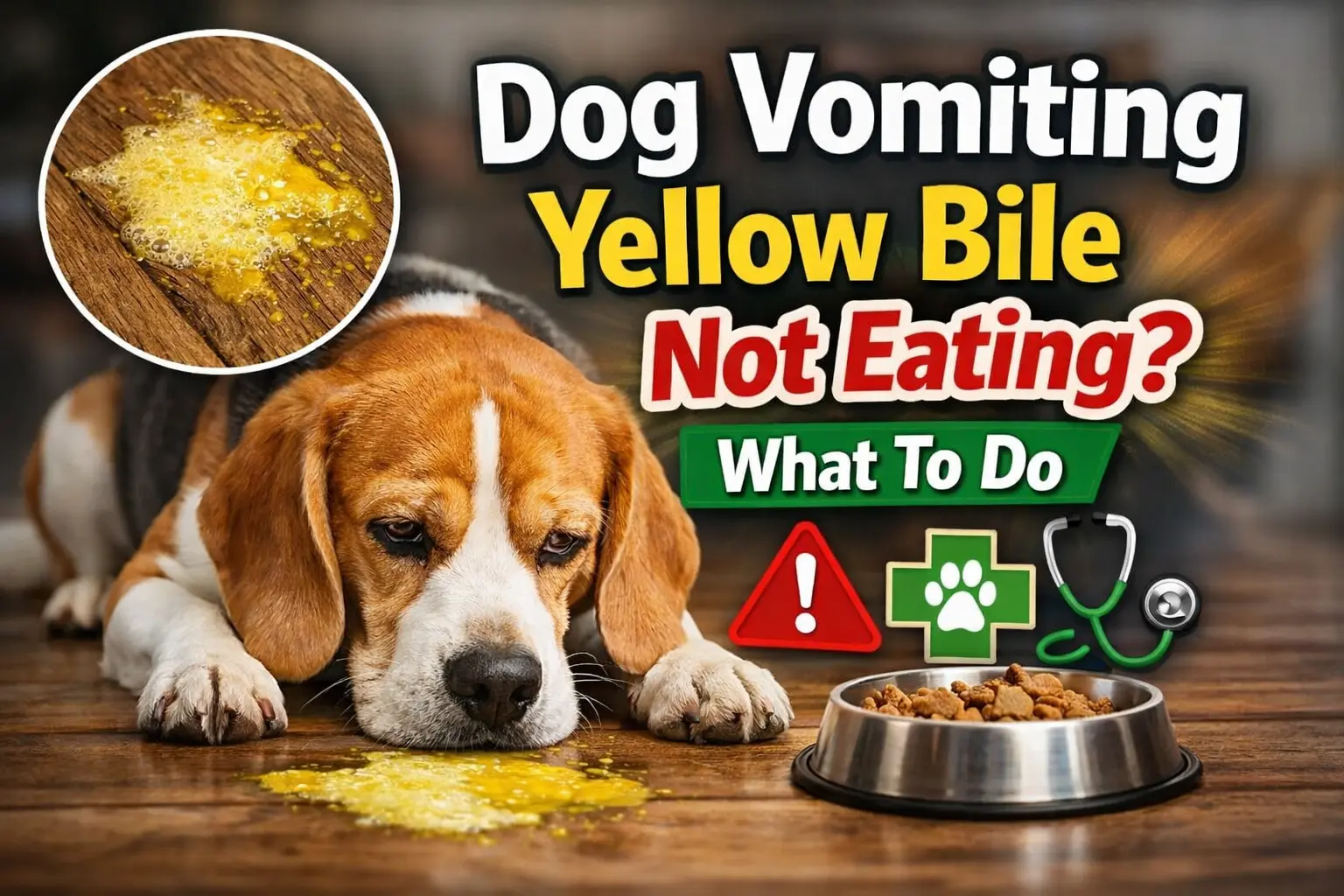
If your dog is vomiting yellow bile and not eating, it’s often due to an empty stomach, acid buildup, or digestive irritation. Mild cases can be managed with small frequent meals and hydration, but persistent vomiting, lethargy, or appetite loss lasting over 24 hours requires veterinary care. Yellow bile vomiting can also signal serious issues like pancreatitis, liver disease, or intestinal blockage.
That yellow substance you’re seeing is bile, a digestive fluid produced by the liver and stored in the gallbladder. While occasionally vomiting bile might not be cause for panic, when it’s paired with loss of appetite, it’s your dog’s way of telling you something isn’t right.
In this comprehensive guide, we’ll walk you through everything you need to know: what causes yellow bile vomit, how to distinguish between minor stomach upset and serious medical emergencies, step-by-step home care instructions, and exactly when you should rush to the vet. Whether you’re dealing with a one-time incident or repeated episodes, you’ll have the expert knowledge to make informed decisions about your dog’s health.
What Is the Yellow Liquid Your Dog Is Throwing Up?
Dogs vomit yellow bile when their stomachs are empty and bile backs up from the small intestine, causing irritation. Common triggers include long gaps between meals (bilious vomiting syndrome), dietary indiscretion, food intolerances, inflammatory bowel disease, pancreatitis, or gastrointestinal obstruction. When paired with appetite loss, it often signals gastritis or more serious digestive upset requiring veterinary attention.
When your dog’s stomach is empty for extended periods, bile can irritate the stomach lining and trigger vomiting. This is why many dogs vomit yellow bile first thing in the morning or between meals when their stomachs have been empty for hours.
Top 9 Causes of Yellow Bile Vomiting in Dogs
1. Bilious Vomiting Syndrome (BVS)
The most common cause of occasional yellow bile vomit is bilious vomiting syndrome. This occurs when bile irritates an empty stomach, typically after overnight fasting or long gaps between meals. According to veterinary gastroenterology research, BVS is often resolved by adjusting feeding schedules rather than medication.
Key characteristic: Dogs with BVS are typically energetic, maintain normal appetite (though they may initially refuse food after vomiting), and show no other symptoms.
2. Gastritis (Stomach Inflammation)
Gastritis—inflammation of the stomach lining—frequently causes both yellow vomiting and appetite loss. A study published in the Journal of Veterinary Internal Medicine found that acute gastritis affects approximately 20% of dogs presenting with gastrointestinal symptoms.
Common triggers include:
- Eating spoiled food or garbage
- Consuming toxic plants or chemicals
- Medications (especially NSAIDs)
- Bacterial or viral infections
3. Pancreatitis
Inflammation of the pancreas is a serious condition that commonly presents with yellow bile vomiting and complete food refusal. The Veterinary Information Network reports that pancreatitis accounts for roughly 2-5% of all canine GI cases, though mild cases are often underdiagnosed.
Warning signs: Hunched posture, abdominal pain, lethargy, fever, and diarrhea alongside vomiting.
4. Dietary Indiscretion
Dogs who’ve eaten something they shouldn’t have—whether it’s table scraps, trash, grass, sticks, or foreign objects—often vomit yellow bile as their digestive system attempts to expel the irritant. Pet insurance data suggests that foreign body ingestion is among the top five reasons for emergency vet visits.
5. Food Allergies or Intolerances
Sensitivities to certain proteins, grains, or additives can trigger chronic gastrointestinal upset. According to NIH studies, approximately 10% of all dog allergies are food-related, with beef, dairy, wheat, and chicken being common culprits.
6. Intestinal Parasites
Worms like roundworms, hookworms, and giardia can cause vomiting and appetite loss, particularly in puppies. The Companion Animal Parasite Council reports that intestinal parasites affect millions of dogs annually in the United States alone.
7. Gastrointestinal Obstruction
Foreign objects lodged in the digestive tract can cause persistent vomiting of bile and complete food refusal. This is a life-threatening emergency requiring immediate veterinary intervention.
Red flags: Continuous vomiting, abdominal distension, pain when belly is touched, and inability to defecate.
8. Liver or Gallbladder Disease
Since bile is produced by the liver and stored in the gallbladder, diseases affecting these organs can result in abnormal bile production and vomiting. Hepatic conditions are more common in middle-aged and senior dogs.
9. Inflammatory Bowel Disease (IBD)
IBD is a chronic condition where the intestinal walls become inflamed, leading to vomiting, diarrhea, and decreased appetite. Diagnosis typically requires endoscopy and intestinal biopsies.
When Yellow Bile Vomiting Is an Emergency: Critical Warning Signs
While a single episode of yellow vomit might not require immediate veterinary attention, certain symptoms indicate you need professional help right away.
Seek Emergency Veterinary Care If Your Dog Shows:
- Repeated vomiting (more than 2-3 times within 24 hours)
- Blood in vomit (red blood or dark “coffee grounds” appearance)
- Complete refusal of food and water for over 24 hours
- Severe lethargy or weakness (won’t stand, unresponsive)
- Painful abdomen (yelps when belly is touched, hunched posture)
- Diarrhea with blood or black tarry stools
- Pale or white gums (indicating possible anemia or shock)
- Signs of dehydration (sunken eyes, dry nose, skin doesn’t snap back when pinched)
- Bloated or distended abdomen
- Difficulty breathing or rapid heart rate
- Seizures, tremors, or collapse
- Known ingestion of toxins or foreign objects
According to the American Veterinary Medical Association (AVMA), timely intervention in gastrointestinal emergencies can be the difference between simple treatment and life-threatening complications. When in doubt, it’s always safer to call your vet.
Step-by-Step: What to Do When Your Dog Vomits Yellow Bile and Won’t Eat
Step 1: Assess Your Dog’s Overall Condition (First 2 Hours)
Before taking action, carefully observe your dog:
- Check their energy level and responsiveness
- Look at their gums (should be pink and moist, not pale or tacky)
- Feel their abdomen gently for signs of pain or bloating
- Note any other symptoms (diarrhea, drooling, shaking)
- Review recent diet or activities (Did they get into trash? Eat something unusual?)
Document everything: Take notes on when vomiting started, how many times it’s happened, and your dog’s behavior. This information will be invaluable if you need to contact your vet.
Step 2: Withhold Food Temporarily (4-6 Hours)
For mild, isolated vomiting in an otherwise healthy dog:
- Remove all food for 4-6 hours (or 12 hours for adult dogs if vomiting was severe)
- Keep water available in small amounts to prevent dehydration
- Offer ice chips if your dog vomits water immediately after drinking
This fasting period allows the stomach to settle and reduces further irritation.
Step 3: Reintroduce Water Gradually
After the fasting period, if no more vomiting has occurred:
- Offer 1-2 tablespoons of water every 30 minutes
- If your dog keeps water down for 2 hours, gradually increase the amount
- Watch for immediate re-vomiting, which suggests a more serious issue
Step 4: Start a Bland Diet
Once your dog successfully keeps water down for several hours:
Bland diet options:
- Boiled chicken (skinless, boneless) with white rice (2:1 rice to chicken ratio)
- Boiled lean ground turkey with plain pumpkin
- Prescription digestive diet (if recommended by your vet)
Feeding protocol:
- Offer small amounts (2-3 tablespoons for small dogs, ¼ cup for large dogs)
- Feed every 3-4 hours throughout the day
- If food stays down, gradually increase portion size over 24-48 hours
Step 5: Monitor for 24-48 Hours
Continue observing your dog closely:
- Track vomiting episodes and bowel movements
- Note appetite improvements or continued refusal
- Watch energy levels and behavior
- Check hydration status regularly
If improvement occurs: Gradually transition back to regular food over 3-5 days by mixing increasing amounts of normal food with the bland diet.
If no improvement or worsening occurs: Contact your veterinarian immediately.
Step 6: Contact Your Veterinarian
Call your vet if:
- Vomiting continues beyond 24 hours
- Your dog still refuses all food after 24 hours
- Any emergency symptoms appear (listed in previous section)
- You’re uncertain or anxious about your dog’s condition
Many veterinary clinics offer phone consultations that can help you determine whether an in-person visit is necessary.
Veterinary Diagnosis: What to Expect at the Vet Clinic
Physical Examination
Your veterinarian will perform a thorough physical exam, checking:
- Hydration status and mucous membrane color
- Abdominal palpation for pain, masses, or foreign objects
- Temperature, heart rate, and respiratory rate
- Overall body condition and signs of systemic illness
Diagnostic Tests
Depending on your dog’s symptoms and examination findings, your vet may recommend:
Blood work:
- Complete blood count (CBC) to check for infection or anemia
- Blood chemistry panel to evaluate organ function
- Pancreatitis-specific tests (cPLI or SNAP cPL)
Imaging:
- X-rays to identify foreign objects, obstructions, or organ abnormalities
- Ultrasound for detailed views of abdominal organs
- Barium studies if obstruction is suspected
Additional tests:
- Fecal examination for parasites
- Urinalysis to rule out kidney disease
- Endoscopy for chronic cases or suspected IBD
Treatment Options
Treatment depends on the underlying cause:
For mild gastritis or BVS:
- Anti-nausea medications (maropitant/Cerenia)
- Antacids or gastric protectants (famotidine, omeprazole)
- Dietary modifications
For moderate to severe cases:
- IV fluid therapy for dehydration
- Injectable medications to control vomiting
- Antibiotics if infection is suspected
- Hospitalization for monitoring and supportive care
For serious conditions:
- Surgery (for foreign body removal or obstruction)
- Specialized treatment for pancreatitis, liver disease, or IBD
- Long-term medication protocols
Prevention: How to Reduce Yellow Bile Vomiting Episodes
Adjust Feeding Schedule
If your dog experiences bilious vomiting syndrome:
- Feed smaller, more frequent meals (3-4 times daily instead of 1-2)
- Offer a small snack before bedtime to prevent overnight empty stomach
- Consider feeding first thing in the morning for dogs who vomit bile early
Research shows that simply adjusting meal timing resolves BVS in approximately 90% of cases.
Choose High-Quality, Digestible Food
- Select premium dog food with easily digestible proteins
- Avoid frequent diet changes that can upset the stomach
- Consider foods specifically formulated for sensitive stomachs
- Consult your vet about appropriate nutrition for your dog
Prevent Dietary Indiscretion
- Secure garbage cans with tight lids or childproof locks
- Keep human food, toxic plants, and chemicals out of reach
- Supervise outdoor time to prevent eating grass, sticks, or other items
- Use slow-feeder bowls for dogs who eat too quickly
Maintain Regular Veterinary Care
- Schedule annual wellness exams (bi-annual for senior dogs)
- Keep up with parasite prevention year-round
- Discuss any chronic digestive issues with your vet
- Update vaccinations to prevent infectious causes of vomiting
Reduce Stress
Stress and anxiety can contribute to gastrointestinal upset:
- Maintain consistent daily routines
- Provide adequate mental and physical stimulation
- Use calming aids during stressful events (thunderstorms, fireworks)
- Consider anxiety management if your dog is chronically nervous
Conclusion
Yellow bile vomiting in dogs is common—but vomiting combined with not eating is never something to ignore. Mild cases may resolve with simple changes, but ongoing symptoms deserve prompt veterinary care.
Bookmark PetsVines.com for expert-written, vet-reviewed dog health guides you can trust.
If symptoms persist, contact your veterinarian immediately—early action can save your dog’s life.
FAQs
Why is my dog vomiting yellow bile and not eating?
Dogs usually vomit yellow bile when their stomach is empty or irritated by excess acid. When vomiting is combined with not eating, it often means nausea, stomach inflammation, pain, or an underlying condition such as gastritis, pancreatitis, or liver disease. If appetite loss lasts more than 24 hours, veterinary care is recommended.
Is yellow bile vomiting in dogs serious?
Yellow bile vomiting is not always serious, especially if it happens once and your dog otherwise acts normal. However, repeated vomiting, refusal to eat, lethargy, or pain are warning signs that may indicate a medical issue requiring prompt veterinary attention.
Can an empty stomach cause dogs to vomit yellow bile?
Yes. This condition is called bilious vomiting syndrome. It happens when bile and stomach acid build up due to long gaps between meals. Feeding smaller, more frequent meals—especially a late-night snack—often helps prevent this.
How long can a dog go without eating after vomiting?
Most healthy adult dogs can skip food for 12–24 hours after vomiting, as long as they are drinking water and acting normal. Puppies, senior dogs, or dogs with health conditions should not go without food for long and should be seen by a vet sooner.
What should I feed a dog after vomiting yellow bile?
Once vomiting stops, start with a bland diet, such as:
-
Boiled skinless chicken
-
Plain white rice
-
Prescription gastrointestinal dog food
Feed small portions several times a day. Avoid fatty, spicy, or rich foods.
Can stress cause dogs to vomit yellow bile?
Yes. Stress and anxiety can increase stomach acid production and disrupt digestion, leading to nausea and bile vomiting. Common triggers include changes in routine, travel, boarding, or loud environments.
Does yellow bile vomiting mean my dog has pancreatitis?
Not always, but it can be a symptom. Pancreatitis often causes yellow bile vomiting, appetite loss, abdominal pain, and lethargy. Only a veterinarian can diagnose pancreatitis through blood tests and imaging.
Can I give my dog antacids for bile vomiting?
Do not give human antacids unless your veterinarian specifically recommends them. Some medications can be dangerous for dogs or mask serious conditions. Always consult your vet before giving any medication