
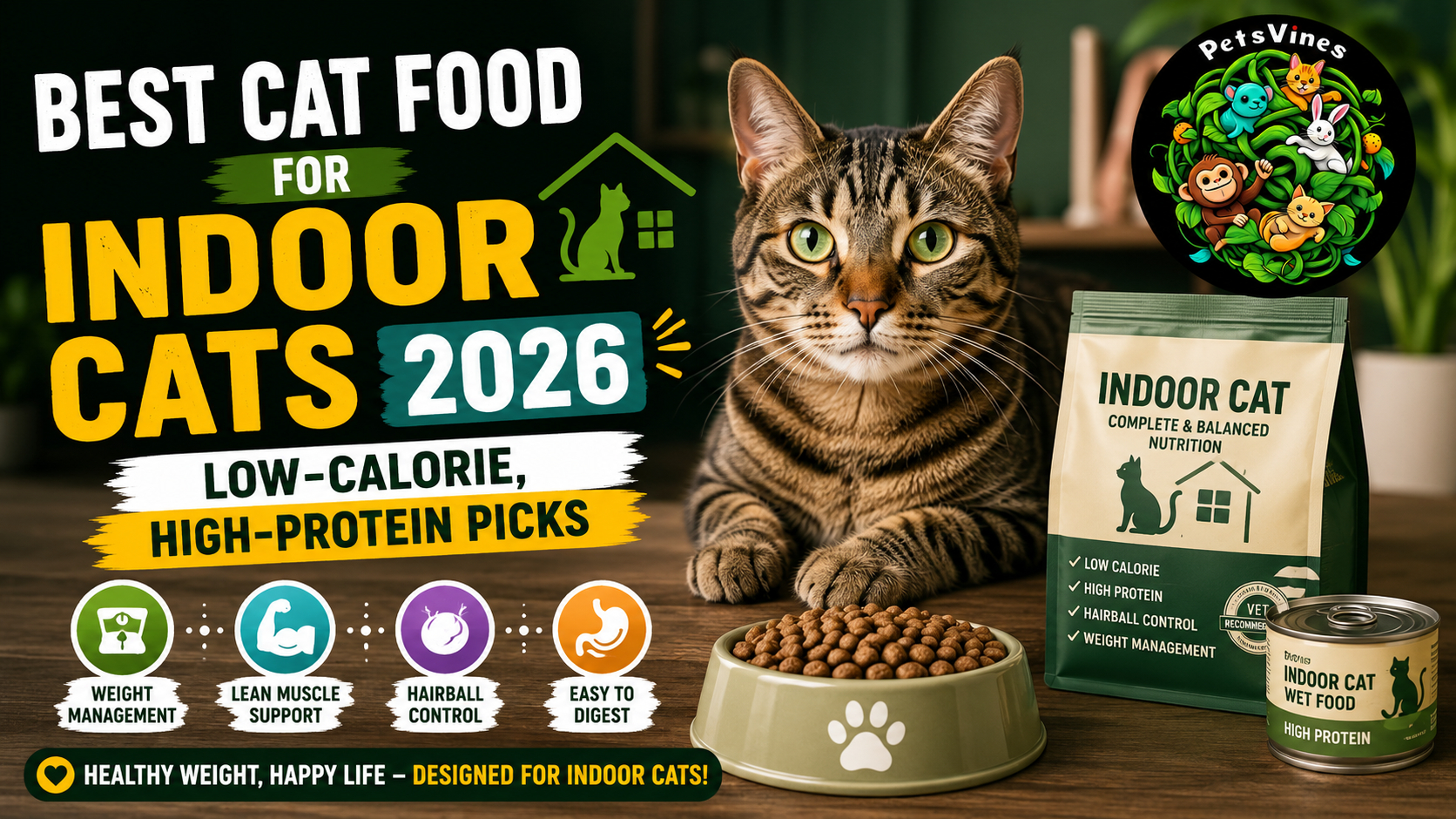
If you have an indoor cat, congratulations: your cat is likely to live significantly longer than an outdoor cat. The average indoor cat lives 12 to 18 years, compared to just 2 to 5 years for cats with outdoor access, as we covered in our guide to how long cats live.
But indoor life comes with its own nutritional challenges. Lower activity levels mean lower calorie needs. And the combination of abundant food availability with minimal exercise creates the perfect conditions for feline obesity, a condition that affects more than half of all domestic cats in the United States. Choosing the right food is one of the most impactful things you can do for your indoor cat’s long-term health.
How Indoor Cats Differ Nutritionally From Outdoor Cats
| Factor | Indoor Cats | Outdoor Cats | Implication for Diet |
|---|---|---|---|
| Daily calorie burn | Low (limited movement) | High (hunting, territory patrol) | Indoor cats need 20-30% fewer calories |
| Obesity risk | Very high | Lower | Calorie-controlled food is essential |
| Hairball formation | Higher (more grooming, less natural purging) | Lower | Higher fiber or hairball-specific formulas help |
| Natural prey access | None | Frequent | No natural dietary supplement source |
| Water intake | Lower (bowl drinking only) | Sometimes higher | Wet food even more beneficial for indoor cats |
What to Look for in Indoor Cat Food
Controlled Calories Without Sacrificing Protein
The key challenge in indoor cat food formulation is reducing calories without reducing protein. Protein is the most important macronutrient for cats, critical for muscle maintenance, immune function, and metabolic health. The best indoor cat foods reduce calorie density by moderately reducing fat while maintaining protein levels appropriate for adult cat maintenance needs.
Higher Fiber for Hairball Control
Indoor cats groom themselves extensively, and without access to grass which outdoor cats eat to help pass hair, they are more prone to hairball formation. Quality indoor cat formulas include higher levels of soluble and insoluble fiber to move hair through the digestive tract rather than allowing it to accumulate in the stomach.
L-Carnitine for Weight Management
Some indoor cat formulas include L-carnitine, a naturally occurring compound that supports fat metabolism and helps maintain lean muscle mass. Its presence indicates the manufacturer specifically considered the weight management needs of less-active cats.
Best Dry Cat Food for Indoor Cats 2026
Purina Pro Plan Indoor Care
Purina Pro Plan Indoor Care is consistently among the top veterinary recommendations for indoor cats. Real chicken is the first ingredient, providing high-quality protein for muscle maintenance. The formula includes natural fiber sources to reduce hairball formation, controlled calories for weight management, and live probiotics for digestive health. Purina’s research investment and transparent feeding trial methodology make this a trustworthy choice backed by genuine science rather than marketing.
Hill’s Science Diet Indoor
Hill’s Science Diet Indoor is specifically formulated for indoor cats aged 1 to 6 years, with a specialized fiber blend to reduce hairball frequency and clinically tested ingredients for healthy weight maintenance. The formula does not contain artificial colors, flavors, or preservatives. Hill’s publishes clinical study data on their formulas, and the Indoor line has been specifically tested for its effectiveness in supporting healthy body weight in cats with limited activity.
Royal Canin Indoor Adult
Royal Canin Indoor Adult is formulated with a specific calorie profile for the activity level of an indoor cat, along with a blend of fibers including psyllium husks and cellulose specifically designed to reduce hairball formation. Royal Canin’s formula meets both AAFCO and WSAVA global nutrition guidelines.
Best Wet Cat Food for Indoor Cats 2026
Wet food is particularly valuable for indoor cats because it addresses the hydration gap created by their low thirst drive and bowl-only water access. Cats eating wet food as their primary diet have higher daily water intake, which directly protects kidney and urinary tract health over their long indoor lives.
Purina Pro Plan wet formulas maintain the nutritional philosophy of the dry line with high-quality named protein first, complete and balanced to AAFCO standards, and no artificial additives. The weight management wet varieties are particularly suitable for sedentary indoor cats. Hill’s Science Diet wet food for indoor cats maintains the same clinical nutrition standards as their dry indoor formulas. For budget-conscious owners, Fancy Feast Classic Pate in plain varieties meets AAFCO standards at a significantly lower price point, and the weight management varieties are lower in calories with higher protein relative to fat.
How Much to Feed an Indoor Cat
Indoor cats need roughly 20 percent fewer calories than outdoor cats of the same size. A healthy 10-pound indoor, neutered adult cat typically needs approximately 200 to 250 calories per day. Always check the specific calorie content on your food’s label and calculate the appropriate daily portion. For a full breakdown including formulas for calculating your specific cat’s caloric needs, see our complete cat feeding guide.
Enrichment Matters as Much as Food Choice
Even the best indoor cat food works better when paired with adequate physical activity. Indoor cats that are enriched with interactive play sessions, puzzle feeders, climbing structures, and window perches burn more calories and maintain better body condition than sedentary indoor cats. If your indoor cat is gaining weight despite appropriate food and portion control, increasing activity through twice-daily interactive play sessions of 10 to 15 minutes each is often as impactful as switching food. For practical ideas, see our guide to keeping indoor cats happy and stimulated.
Tip: The Body Condition Score Test for Indoor Cats
Check your indoor cat’s weight monthly. Feel their ribs: you should feel them without pressing hard but they should not be visibly protruding. A visible waist viewed from above is a good sign. Gradual weight gain appears slow month to month but accumulates significantly over a year, and catching it early makes management much easier.
FAQs
Do indoor cats need special food or can they eat regular cat food?
Regular complete cat food from a reputable AAFCO-certified brand is acceptable for indoor cats, particularly if portions are carefully controlled. Indoor-specific formulas offer the added convenience of built-in calorie management, hairball fiber support, and nutrient profiles calibrated for sedentary lifestyles. They are not mandatory but simplify feeding management and reduce the risk of gradual weight gain for most owners.
Why do indoor cats need fewer calories than outdoor cats?
Indoor cats have significantly lower daily activity levels than outdoor cats, which hunt, patrol territory, and navigate varied terrain. This reduced movement means indoor cats burn approximately 20 to 30 percent fewer calories per day. Without calorie-controlled food and careful portion management, the combination of abundant food availability and minimal exercise creates ideal conditions for feline obesity.
What should I look for when choosing cat food for an indoor cat?
Look for four key features: controlled calorie density to match lower activity levels, high-quality named animal protein as the first ingredient to preserve lean muscle mass, higher fiber content to support hairball management, and an AAFCO statement confirming the food is complete and balanced for adult maintenance. Some indoor formulas also include L-carnitine to support fat metabolism in less active cats.
What are the best dry cat foods for indoor cats in 2026?
The three most consistently recommended dry indoor cat foods are Purina Pro Plan Indoor Care, Hill’s Science Diet Indoor, and Royal Canin Indoor Adult. All three meet AAFCO standards, list named animal protein first, include fiber blends for hairball control, and have been specifically formulated with the calorie and activity profile of indoor cats in mind. Purina and Hill’s both back their formulas with published feeding trial data.
Is wet food or dry food better for indoor cats?
Both can work well, but wet food offers particular advantages for indoor cats. Because indoor cats rely solely on bowl drinking and have a naturally low thirst drive, wet food’s 70 to 80 percent moisture content directly addresses the hydration gap, protecting kidney and urinary tract health over their long indoor lives. Many indoor cats thrive on a combination of both wet and dry food.
How many calories does an indoor cat need per day?
A healthy 10-pound indoor neutered adult cat typically needs approximately 200 to 250 calories per day, roughly 20 percent fewer than an outdoor cat of the same size. Always check the specific calorie content printed on your food’s label and calculate the appropriate daily portion rather than relying solely on the bag’s feeding guidelines, which are often calculated for average cats and may overestimate needs for sedentary indoor cats.
My indoor cat is gaining weight despite eating the recommended amount. Why?
Bag feeding recommendations frequently overestimate appropriate portions for indoor, neutered, sedentary cats. Try reducing portions by 10 to 15 percent and reassessing weight after 3 to 4 weeks. Also audit whether treat calories are being counted in the daily total, as unaccounted treat calories are one of the most common causes of gradual weight gain in indoor cats.
How do I help my indoor cat lose weight safely?
Work with your vet to establish a safe target weight and daily calorie goal. Transition to a lower-calorie food gradually, measure portions precisely with a kitchen scale, eliminate high-calorie treats, and increase interactive play sessions. Weigh your cat monthly to track progress. Never reduce calories more than 25 percent below maintenance without veterinary supervision, as rapid weight loss in cats causes hepatic lipidosis, a dangerous fatty liver disease.
Why are indoor cats more prone to hairballs than outdoor cats?
Indoor cats groom themselves extensively and do not have access to grass, which outdoor cats eat to help pass ingested hair through the digestive system. Without this natural mechanism, hair accumulates in the stomach more readily. Quality indoor cat food formulas address this with higher levels of soluble and insoluble fiber designed to move hair through the digestive tract before it can form a hairball.
Does physical enrichment affect an indoor cat’s nutritional needs?
Yes, significantly. Indoor cats that engage in regular interactive play, use puzzle feeders, and have access to climbing structures and window perches burn more calories and maintain better body condition than sedentary indoor cats. If an indoor cat is gaining weight despite appropriate food and portion control, adding two daily interactive play sessions of 10 to 15 minutes each is often as impactful as switching to a lower-calorie food.
How do I check if my indoor cat is at a healthy weight?
Feel along your cat’s ribcage monthly. You should be able to feel individual ribs without pressing hard, but they should not be visibly protruding. Viewed from above, your cat should have a visible waist narrowing behind the ribs. Gradual weight gain appears slow month to month but accumulates significantly over a year, so monthly monitoring and early intervention make weight management far easier than addressing established obesity.
Feeding Your Indoor Cat Well for the Long Term
Indoor cats have the potential to live remarkably long, healthy lives. The food choices you make now, particularly around calorie management and hydration, directly influence whether those years are spent at a healthy weight with well-functioning kidneys, or managing obesity-related conditions that compromise quality of life in the senior years. Choose an AAFCO-certified indoor formula from a research-backed brand, measure portions precisely, incorporate wet food for hydration, and build physical enrichment into your cat’s daily routine.
For more cat nutrition guides, visit the PetsVines Cat Care hub.
Also Visit: Can Cats Eat Eggs? Raw vs Cooked Safety and Benefits