
Eggs are one of the most nutritionally dense foods on the planet, packed with high-quality protein, essential amino acids, and a broad range of vitamins and minerals. It makes sense that cat owners wonder whether their obligate carnivore companions can benefit from them too.
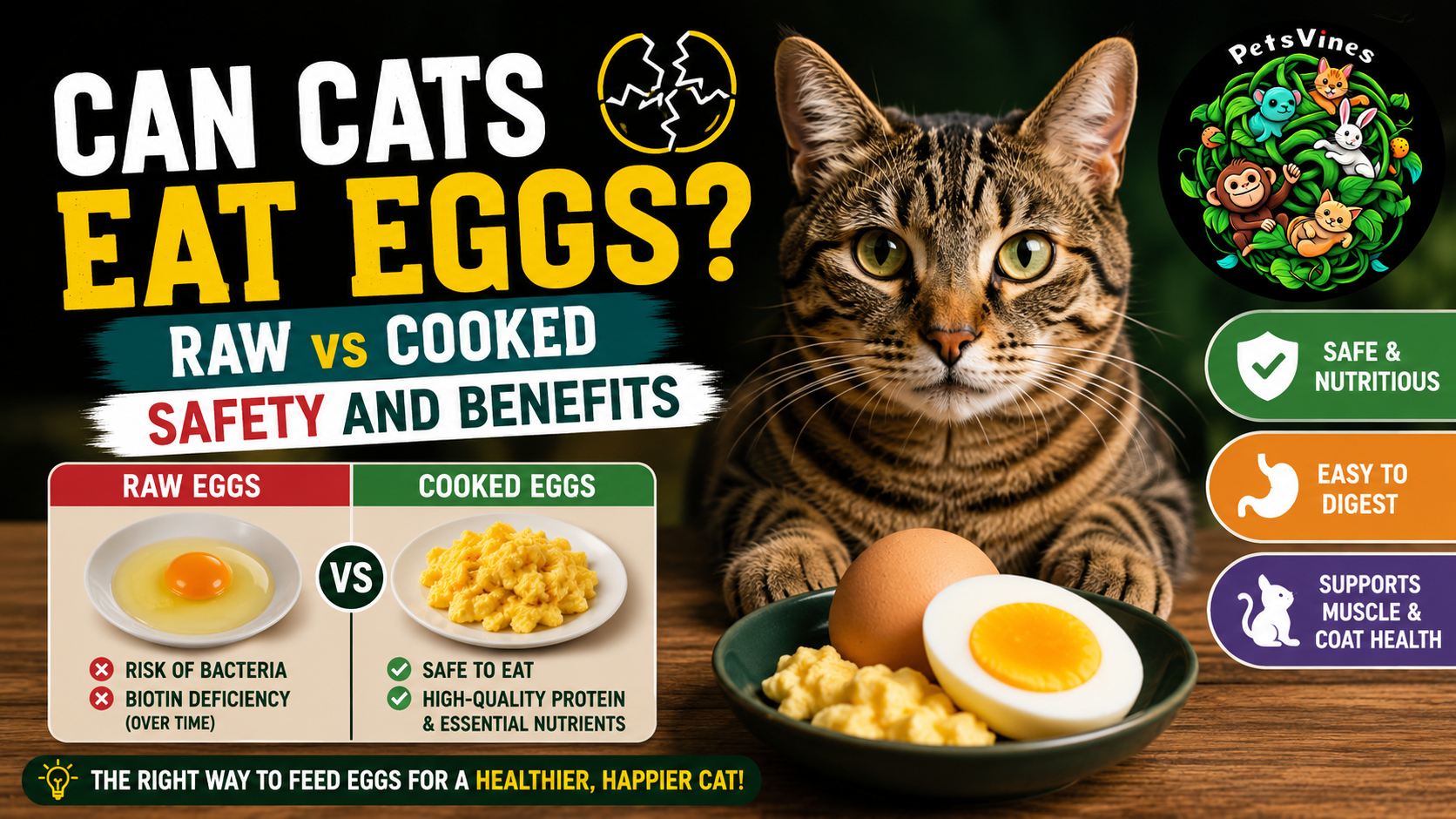
The answer is a qualified yes, with one important caveat: the preparation method changes everything. Cooked eggs are a genuinely valuable treat for cats. Raw eggs introduce risks that make them clearly not worth feeding.
The Nutritional Case for Eggs
| Nutrient in Eggs | Benefit for Cats | Found In |
|---|---|---|
| Complete protein with essential amino acids | Supports muscle maintenance and repair | Whole egg, mostly white |
| Taurine | Heart and eye health | Egg yolk |
| Vitamin A | Eye health, immune function | Egg yolk |
| B vitamins (B12, riboflavin, choline) | Neurological function, energy metabolism | Egg yolk |
| Selenium | Antioxidant protection, thyroid function | Whole egg |
| Omega fatty acids | Coat health, inflammation management | Egg yolk |
According to the University of Missouri Small Animal Clinical Nutrition Service, plain cooked eggs like scrambled or hard-boiled are safe for cats to eat and offer genuine nutritional benefit as a supplement to their complete commercial diet.
Why Raw Eggs Are Not Safe
Salmonella and Bacterial Contamination
Raw eggs can carry Salmonella and E. coli, bacteria that cause serious gastrointestinal illness in cats. Salmonella infection causes acute vomiting, severe diarrhea, fever, and lethargy. In kittens, seniors, or immunocompromised cats, it can be life-threatening. The ASPCA lists raw eggs among human foods that cats and dogs should avoid, citing salmonella risk as the primary concern.
Avidin and Biotin Deficiency
Raw egg whites contain avidin, a protein that binds to biotin (vitamin B7) in the digestive system, preventing its absorption. Biotin is essential for healthy skin, coat maintenance, cell growth, and fatty acid metabolism. Cats fed raw eggs regularly can develop biotin deficiency characterized by dull, flaky skin, hair loss, and poor coat condition. Cooking denatures avidin completely, eliminating this risk entirely.
Cooked Eggs: Preparation Methods Explained
Hard-boiled eggs: The safest and simplest method. Fully cook the egg, let it cool completely, peel it, and offer a small amount chopped into pieces. Fully cooking both the white and yolk eliminates all bacterial risk and deactivates avidin completely.
Scrambled eggs: Acceptable when prepared plain with no butter, oil, salt, cheese, milk, or seasonings. Cook them dry in a non-stick pan without any fat.
Poached eggs: Safe when fully cooked with a firm white and yolk. Avoid runny poached eggs as the yolk remains partially raw.
Fried eggs: Not recommended. Frying requires oil or butter which adds unnecessary fat that can cause digestive upset and pancreatitis risk in cats.
Raw or runny eggs: Never. This includes sunny-side up, over-easy, and any preparation where the yolk or white is not fully set.
Warning: Foods to Never Add to Eggs for Cats
- Salt: excess salt causes excessive thirst, urination, and in severe cases sodium ion poisoning
- Butter and oils: excessive fat leads to obesity and pancreatitis risk
- Cheese: most cats are lactose intolerant and cheese adds unnecessary fat and salt
- Garlic, onion, chives or any seasoning: all allium family members are toxic to cats and cause hemolytic anemia
- Black pepper and other spices: digestive irritants for cats
How Much Egg Is Safe for Cats?
| Cat Type | Safe Egg Amount | Frequency |
|---|---|---|
| Healthy adult cat | 1 tablespoon of cooked egg (about one quarter of a large egg) | Two or three times per week maximum |
| Kitten | Small amount, consult vet | Occasional only |
| Overweight cat | Egg white only (lower fat) | Once per week maximum |
| Senior cat | Small amount of whole egg | Once or twice per week |
| Cat with pancreatitis history | Egg white only or avoid | Infrequent, vet guidance |
| Cat with kidney disease | Consult vet | Phosphorus content may be a concern |
Treats including eggs should make up no more than 10 percent of your cat’s total daily calorie intake. One tablespoon of scrambled egg is approximately 10 to 15 calories. For guidance on total daily calorie needs, see our cat feeding guide.
Egg Whites vs Egg Yolks: Which Is Better?
Egg whites are the superior protein source, containing most of the egg’s amino acids with minimal fat. Cooked egg whites are safe and nutritious. Raw egg whites specifically contain avidin, making raw whites the most problematic component.
Egg yolks contain most of the vitamins, minerals, and omega fatty acids including taurine and choline. They are higher in fat and calories than whites. For overweight cats or those prone to pancreatitis, egg yolk should be fed more sparingly. The whole cooked egg provides the most nutritional benefit and is the simplest approach for most owners.
FAQs
Can cats eat eggs?
Yes, cats can eat cooked eggs in small amounts. Plain scrambled or hard-boiled eggs prepared without salt, oil, butter, or seasoning are safe and nutritious treats for most healthy adult cats. Raw eggs should never be given to cats due to salmonella risk and a protein called avidin that blocks biotin absorption, causing serious skin and coat problems over time.
Why are raw eggs dangerous for cats?
Raw eggs carry two distinct risks. First, they can contain Salmonella and E. coli, which cause acute vomiting, severe diarrhea, fever, and lethargy, and can be life-threatening in kittens, senior cats, or immunocompromised animals. Second, raw egg whites contain avidin, a protein that binds to biotin in the digestive system and prevents its absorption, leading to deficiency that causes dull skin, hair loss, and poor coat condition over time.
What is avidin and why does it matter for cats?
Avidin is a protein found specifically in raw egg whites that binds to biotin (vitamin B7) in the digestive tract and prevents the body from absorbing it. Biotin is essential for healthy skin, coat maintenance, cell growth, and fatty acid metabolism. Cats fed raw eggs regularly can develop biotin deficiency with visible symptoms including dull flaky skin, hair loss, and deteriorating coat condition. Cooking eggs completely denatures avidin and eliminates this risk entirely.
What is the safest way to prepare eggs for cats?
Hard-boiled eggs are the safest and simplest method. Fully cook the egg, allow it to cool completely, peel it, and offer a small amount chopped into pieces. Plain scrambled eggs cooked dry in a non-stick pan with no butter, oil, salt, cheese, milk, or seasoning are also safe. Poached eggs are acceptable only when both the white and yolk are fully firm. Fried eggs are not recommended due to the oil or butter required, and any runny or partially raw preparation should never be offered.
How much egg can I give my cat?
A healthy adult cat can safely have approximately one tablespoon of plain cooked egg, roughly one quarter of a large egg, two to three times per week at most. One tablespoon of scrambled egg contains approximately 10 to 15 calories. Treats including eggs should make up no more than 10 percent of your cat’s total daily calorie intake and should never displace their nutritionally complete commercial diet.
Can I give my cat egg every day?
Daily eggs are not recommended. As a treat limited to two or three times per week in tablespoon-sized portions, eggs add nutritional value and variety. Daily feeding risks adding excess calories and gradually shifting your cat’s diet away from their complete commercial food, which can lead to nutritional imbalances over time.
Are egg whites or egg yolks better for cats?
Both are beneficial when cooked, but they offer different nutrients. Egg whites are the superior protein source containing most of the egg’s amino acids with minimal fat, making them ideal for overweight cats or those prone to pancreatitis. Egg yolks contain most of the vitamins, minerals, taurine, choline, and omega fatty acids, but are higher in fat and calories. For most healthy cats, the whole cooked egg provides the most complete nutritional benefit.
What foods should never be added to eggs given to cats?
Salt, butter, oils, cheese, milk, garlic, onion, chives, black pepper, and any other seasoning must never be added to eggs prepared for cats. All allium family members including garlic, onion, and chives are toxic to cats and cause hemolytic anemia. Salt in excess causes sodium ion poisoning. Butter and oils add unnecessary fat that raises pancreatitis risk. Most cats are also lactose intolerant, making cheese and milk inappropriate additions.
My cat ate raw egg. Should I be worried?
A single accidental lick of raw egg is unlikely to cause serious harm in a healthy adult cat. Monitor for signs of digestive upset including vomiting or diarrhea over the following 24 hours. If your cat consumed a significant amount of raw egg or develops symptoms, contact your veterinarian promptly, particularly if your cat is a kitten, senior, or has an underlying health condition.
Can kittens eat eggs?
Small amounts of plain fully cooked egg can be given to kittens as an occasional supplement to their kitten food. However, kitten diets are carefully calibrated to meet AAFCO growth standards and eggs should not displace significant portions of their complete kitten food. Always consult your vet before introducing new foods to a kitten’s diet.
Can I use eggs to hide my cat’s medication?
A small amount of plain scrambled egg can work as a pill pocket for some medications. However, check with your veterinarian first to confirm the specific medication is not one that should be taken on an empty stomach, as food can affect absorption rates of certain drugs before using this approach.
The Bottom Line on Eggs for Cats
Cooked eggs are a genuinely nutritious, safe, and appealing treat for most healthy adult cats. Always fully cooked, always plain without added fat or seasoning, and always in modest amounts that do not displace your cat’s complete commercial diet. Raw eggs carry risks that are simply not worth taking when the cooked alternative is so straightforward.
For more cat nutrition guides, visit the full PetsVines Cat Care hub.
Also Visit: Can Cats Eat Tuna? What You Need to Know Before Feeding Fish