
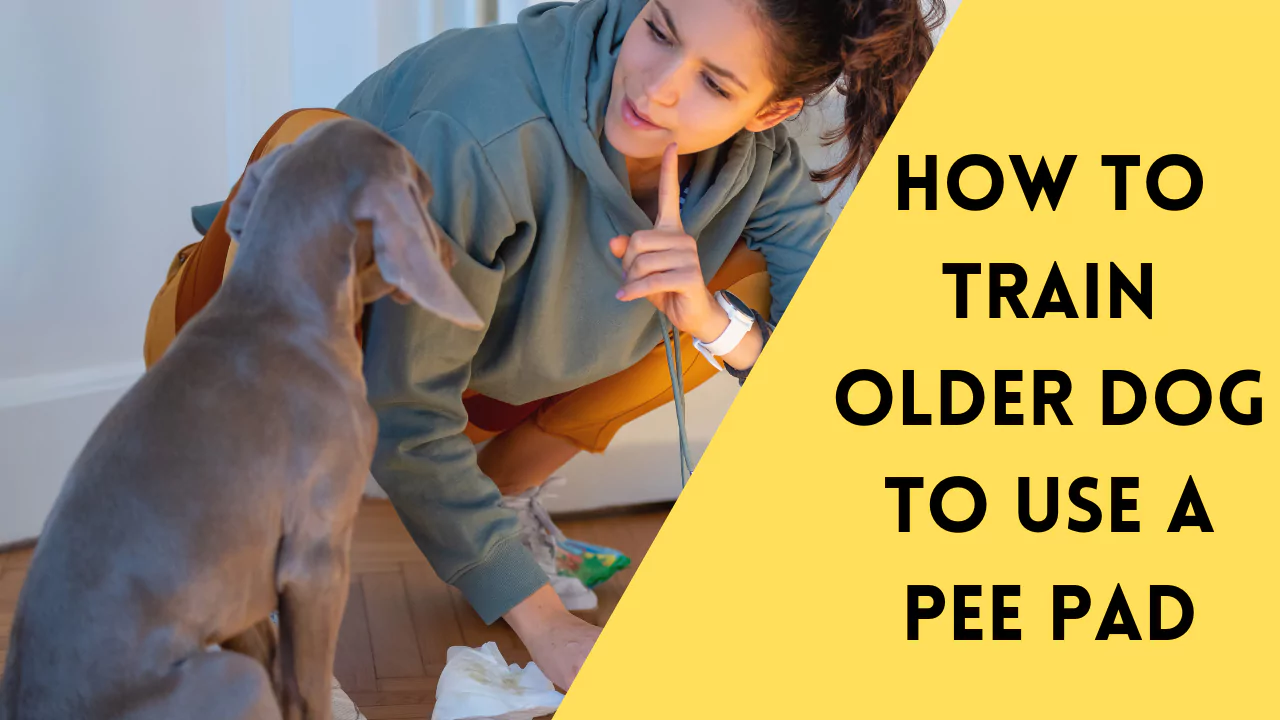
Training an older dog to use a pee pad may seem daunting, but it can be a lifesaver for both you and your pet. Whether it’s due to mobility issues, incontinence, or changes in lifestyle like moving to a new apartment, pee pads offer an easy solution for indoor bathroom needs. For older dogs, age often brings challenges such as restricted movement or difficulty going to the bathroom outside. In my own experience, using pee pads significantly helped my senior dog when she struggled with arthritis, making her more comfortable and our home much cleaner.
Can Older Dogs Be Trained to Use a Pee Pad?
One common question is, “Can an older dog really learn new tricks?” The answer is a resounding yes, though it requires patience, consistency, and plenty of positive reinforcement. Just like puppies, older dogs can adapt to new habits. The process may take a little longer, especially if your dog is used to going outside, but with the right approach, you can make it work.
Why Would an Older Dog Need Pee Pad Training?
Older dogs, especially senior dogs, face various health challenges like incontinence and arthritis, which limit their ability to go outside regularly. Additionally, if you live in a high-rise apartment or an area with harsh weather, regular outdoor trips may not always be feasible. In these situations, pee pads offer a convenient and clean alternative. They can also reduce stress for both the dog and owner, providing a sense of security and ease. In fact, a study by the American Veterinary Medical Association (AVMA) shows that indoor potty solutions can significantly reduce stress in aging pets.
Why Pee Pad Training May Be Necessary for Older Dogs
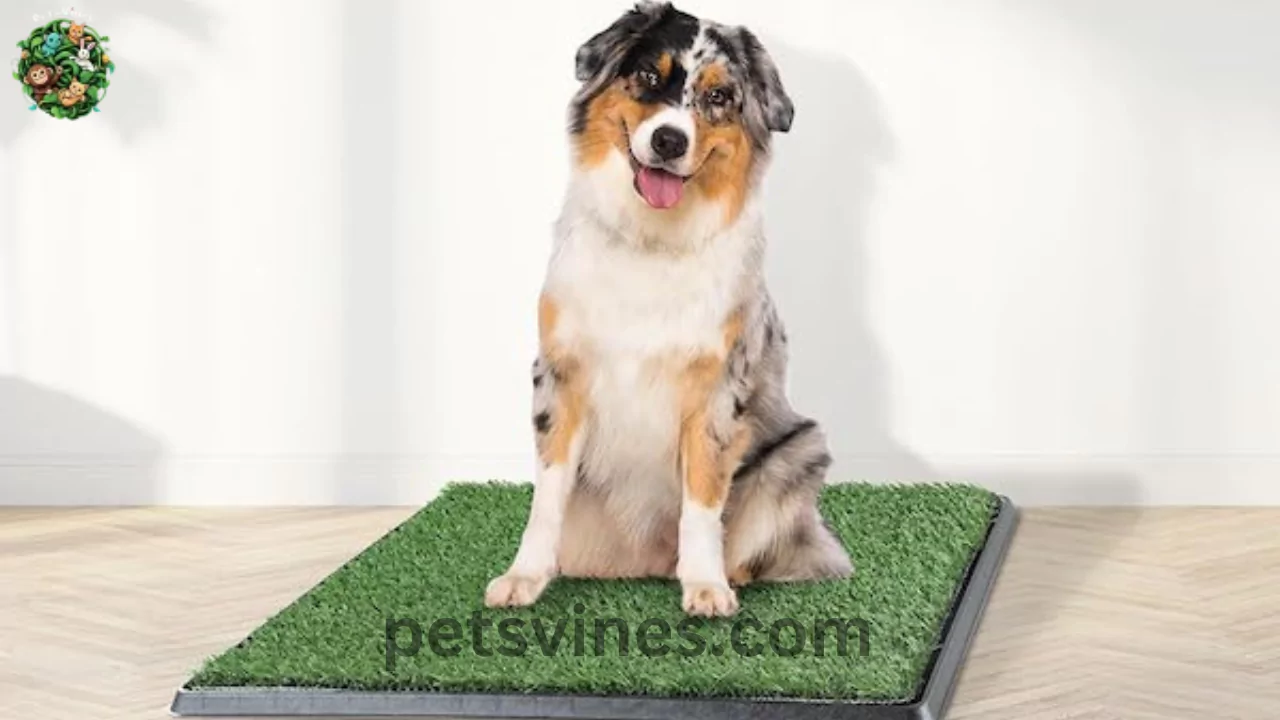
As dogs age, mobility becomes a significant concern. Many senior dogs suffer from arthritis or other conditions that make walking painful or challenging. In these cases, training your dog to use a pee pad indoors can be a practical solution. Incontinence is another common issue in older dogs, and accidents can happen frequently inside the home. By introducing a pee pad, you provide a designated spot for your dog to relieve themselves without the stress of rushing outside. Additionally, changes in living environments—like moving to a new home—can confuse senior dogs about where to go potty. Indoor pee pads help alleviate this uncertainty.
I experienced this first-hand with my dog when we moved from a house with a yard to a high-rise apartment. The transition was difficult for her, but using a reusable potty pad made it much easier, as she no longer had to navigate stairs multiple times a day.
Steps to Train an Older Dog to Use a Pee Pad
Step 1: Choose the Right Pee Pad
Selecting the right pee pad is crucial. You want to look for pads that are highly absorbent and have good odor control. There are two main types: disposable and reusable pee pads. While disposable pee pads offer convenience, reusable pads are more durable, eco-friendly, and cost-effective in the long run. Many reusable pads, like the ones from Potty Buddy, are designed with three layers to trap odors and prevent leakage, making them ideal for long-term use.
Step 2: Set Up a Consistent Pee Pad Area
The location of the pee pad is vital to your dog’s success. It should be in a quiet and easily accessible area, away from where your dog sleeps and eats. Dogs generally avoid going to the toilet near their sleeping or eating areas, so maintaining this distance is important. Consistency in the placement of the pad is key—changing its location too often can confuse your dog. Make sure the spot is somewhere your dog can easily reach, especially if they have mobility issues.
Step 3: Introduce the Pee Pad Gradually
Introducing the pee pad to your older dog should be done slowly and with patience. One helpful technique is to use a pad that has an attractant scent, making it more appealing for your dog. Start by placing your dog on the pad after meals or when they show signs of needing to go potty. Use verbal cues like “go potty” to reinforce what you want them to do. Over time, your dog will associate the command with the action of using the pad.
From my own experience, using verbal cues worked wonders with my senior dog. After a few weeks of repetition, she knew exactly what to do when I said, “go potty.”
Step 4: Encourage Regular Use with a Routine
Older dogs thrive on routine. Establishing a consistent potty schedule can help your dog learn faster. Link the use of the pee pad to specific times of the day, such as after meals or first thing in the morning. Keeping a close eye on your dog during these times allows you to guide them to the pad and encourage them to use it. If they successfully use the pad, reward them immediately with positive reinforcement like treats or praise.
Step 5: Reward and Reinforce Positive Behavior
Positive reinforcement is the cornerstone of training any dog, and older dogs are no exception. Every time your dog uses the pee pad correctly, make sure to reward them. This could be with a favorite treat, verbal praise, or even a belly rub. Positive reinforcement will help reinforce the desired behavior and make it more likely that your dog will continue using the pad. Be patient—your dog may take some time to adjust, but with consistency, they will learn.
Troubleshooting Common Issues
Training an older dog isn’t always smooth sailing. Here are some common issues you might face and how to address them:
Dog Refuses to Use the Pee Pad
If your dog refuses to use the pee pad, it could be due to the pad’s location, the type of pad, or simply unfamiliarity with it. Try moving the pad to a quieter or more accessible spot. You can also use an attractant spray to encourage your dog to go there. If all else fails, consider switching to a different type of pad, such as a reusable pad with better absorbency or odor control.
Dog Chews or Plays with the Pee Pad
Some dogs, especially those who are new to using pee pads, might see the pad as a toy. To correct this behavior, use a durable, chew-proof pad or a pad holder that keeps the pad in place. You can also distract your dog with toys or engage them in activities to curb the urge to play with the pad.
Inconsistent Usage
If your dog is inconsistent in using the pee pad, health issues like incontinence or the lack of a routine may be to blame. Make sure your dog has regular access to the pad, and keep a consistent schedule for potty breaks. Frequent guidance and positive reinforcement will help get them back on track.
Health Tips: Considerations for Senior Dogs
When training an older dog to use a pee pad, it’s important to keep their health in mind. Some dogs may resist the training or struggle with consistent use, which could be a sign of underlying health issues. Here are a few health tips to consider:
- Consult Your Vet:
If your dog is struggling with incontinence or seems resistant to using the pee pad, consult a veterinarian. Incontinence in older dogs can sometimes be a symptom of more serious health problems, such as urinary tract infections or kidney disease. - Monitor Mobility:
Older dogs often suffer from joint pain, arthritis, or other mobility issues. If your dog is having trouble moving to the pee pad or getting up frequently, it may be beneficial to explore pain management options with your vet. - Consider Bladder Control Medications:
For some senior dogs, incontinence can be managed with medications that improve bladder control. Always seek professional veterinary advice before starting any medication.
Comparison: Outdoor Training vs. Pee Pad Training for Senior Dogs
When considering whether to train your older dog to use a pee pad, it’s helpful to weigh the pros and cons of pee pad training compared to outdoor potty training. Both methods have their own advantages and drawbacks, particularly for senior dogs.
Overall, pee pad training offers a flexible solution for senior dogs, especially those who struggle with mobility or live in environments where outdoor potty breaks are challenging.
Alternative Solutions: Other Indoor Potty Options
While pee pads are a popular choice, there are alternative indoor potty solutions that might be more suitable for some dogs and owners. Here are a few options to consider:
- Indoor Grass Patches:
- These are often made of real or artificial grass and mimic the outdoor experience. They are a good choice for dogs who are used to going on grass but cannot go outside regularly. Many of these patches are reusable, and some even come with self-draining systems for easier cleaning.
- Dog Litter Boxes:
- Similar to cat litter boxes, these are designed to give dogs a designated indoor spot to relieve themselves. Dog litter boxes can be particularly useful for smaller breeds or dogs who are accustomed to structured potty areas.
- Portable Dog Toilets:
- These are compact, indoor potty systems that usually consist of a tray with an absorbent mat or artificial grass on top. They are ideal for small spaces and easy to clean. These portable toilets offer an alternative to traditional pee pads and may be more visually appealing in a home.
Each of these alternatives has its own advantages, and owners should choose the option that best fits their dog’s needs and living situation.
Frequently Asked Questions
Can I Train a Senior Dog to Use a Pee Pad?
Yes, it’s entirely possible to train a senior dog to use a pee pad with patience and consistency. Many older dogs are set in their ways, but with positive reinforcement and a good routine, they can learn to use the pad just like a puppy would.
How Long Does It Take to Train an Older Dog to Use a Pee Pad?
The time it takes depends on your dog’s adaptability. For some dogs, it may take just a couple of weeks, while others may need more time. On average, expect the process to take about 1-3 weeks.
What If My Dog Is Already Trained to Go Outside?
If your dog is used to going outside, transitioning to a pee pad might be a bit tricky. Start by placing the pee pad near the door or another spot they associate with going outside. Gradually move the pad to its final location. Be sure to use plenty of positive reinforcement along the way.
Conclusion
Training an older dog to use a pee pad is not only possible but can also improve their quality of life, especially if they suffer from mobility issues or incontinence. With patience, consistency, and plenty of rewards, your dog can learn this new skill and make both their life and yours easier.